
Introduction
Telecom providers struggle to deliver consistent, personalized customer experiences due to fragmented journeys, siloed teams, and outdated IT systems. This case highlights how a telecom operator transformed its customer experience by combining Agile operating models, modern IT architecture, and data-driven decision-making to deliver seamless, end-to-end customer journeys. The transformation focused on improving collaboration, accelerating execution, and creating a scalable digital customer experience framework.
Customer
A Europe-based telecom operator managing multi-channel customer interactions across mobile and digital services. The organization serves a large customer base and operates across multiple customer touchpoints, requiring consistent engagement and seamless service experiences.
Business Objective
- Improve customer experience across lifecycle journeys
- Reduce churn and increase customer retention
- Enable cross-sell and upsell opportunities across services
- Build a scalable digital operating model for growth
- Modernize IT architecture to support CX transformation
Scope of Services
- End-to-end customer journey mapping and redesign
- Agile operating model setup across business and IT teams
- Cross-functional team enablement across sales, onboarding, and lifecycle management
- IT architecture modernization for CX enablement
- Data-driven prioritization of high-impact customer journeys
Technology Used
- Customer analytics and journey orchestration platforms
- Data science and behavioral analytics tools
- Agile delivery frameworks and collaboration tools
- Modernized IT architecture with cloud-ready modular systems
- API-led integration for customer platforms and systems
Key Challenges Addressed
- Fragmented customer journeys across channels and touchpoints
- Lack of prioritization in customer experience initiatives
- Legacy IT systems limiting scalability and agility
- Siloed teams reducing execution efficiency
- Low customer satisfaction and retention levels
Benefits
- Unified and seamless customer journeys across channels
- Faster execution through Agile operating model adoption
- Improved collaboration across business and IT teams
- Data-driven decision-making for customer experience improvements
- Scalable digital foundation supporting future growth
Impact
- Improved Net Promoter Score (NPS) and customer satisfaction
- Reduced customer churn across services
- Increased cross-sell and upsell opportunities
- Faster rollout of customer experience improvements
Introduction
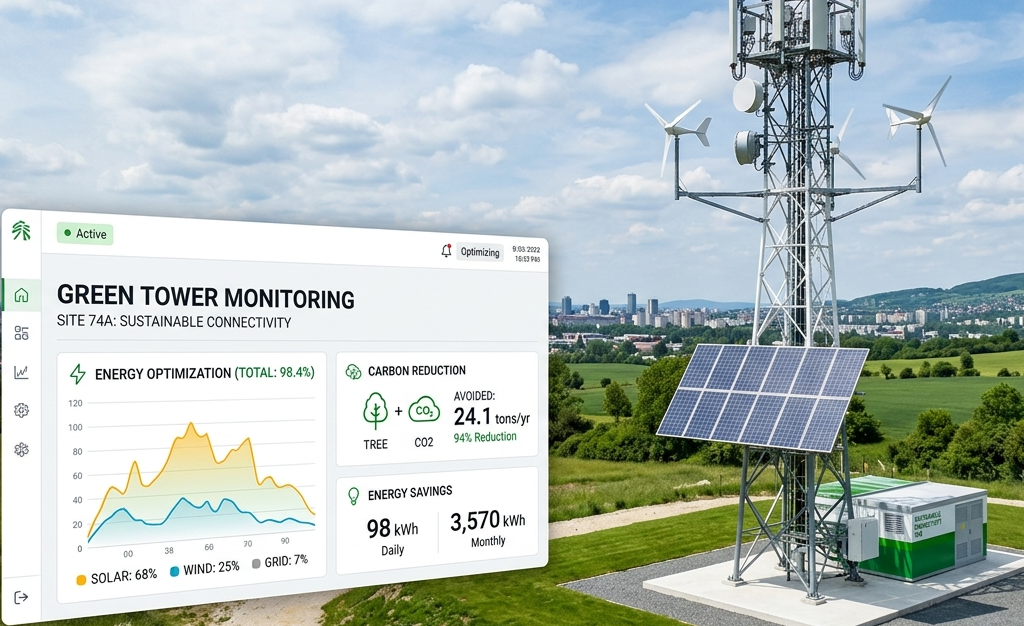
Telecom ESG transformation is becoming critical as operators face increasing pressure to reduce carbon emissions, optimize energy consumption, and align with sustainability regulations. A leading European telecom operator undertook a large-scale ESG transformation to build a future-ready, sustainable business model while maintaining operational efficiency.
Customer
A leading European telecom operator providing connectivity and digital services across global markets, managing large-scale network infrastructure with high energy consumption and strict regulatory requirements around sustainability.
Business Objective
- Achieve net-zero emission targets
- Reduce energy consumption across network infrastructure
- Align operations with ESG regulations
- Enable sustainable growth without impacting service quality
Scope of Services
- ESG strategy design and roadmap development
- Energy optimization across telecom infrastructure
- Data-driven monitoring of emissions and energy usage
- Integration of sustainability metrics into operations
- Governance model for ESG tracking and reporting
Key Challenges Addressed
- High energy consumption across telecom networks
- Lack of real-time visibility into emissions
- Regulatory pressure for sustainability compliance
- Balancing cost optimization with ESG goals
Benefits
- Improved energy efficiency across operations
- Better visibility into sustainability metrics
- Reduced environmental impact
- Alignment with global ESG standards
Impact
- 45% emission reduction target achieved
- Strong progress toward net-zero goals
- Improved operational efficiency alongside sustainability
- Enhanced brand positioning as a sustainable telecom provider

Introduction
Global IT operations standardization enables logistics enterprises to eliminate fragmented processes and build scalable, automation-led delivery models. Transport and vehicle logistics companies operating across multiple countries often face inconsistent workflows, duplicated efforts, and limited coordination across regions. This case study highlights how a leading European transport and vehicle logistics company transformed its operations by implementing a globally integrated, automation-driven model. By standardizing processes and leveraging AI-driven monitoring and automation, the organization improved efficiency, reduced operational noise, and enhanced financial productivity.
Customer
A leading European transport and vehicle logistics company operating across multiple countries with globally distributed teams and support functions.
Business Objective
- Eliminate ad-hoc and non-standardized operational processes
- Drive automation-led transformation across applications and infrastructure
- Enable a globally integrated operating model
- Improve financial productivity through industrialized operations
- Enhance coordination across regions and delivery units
Scope of Services
- Application development, AMS, and infrastructure support
- Management of 55+ enterprise applications
- Multi-language EUC support across regions
- Global integrated operations and automation delivery model
- Proximity support across 13 countries
- NOC and SOC operations implementation
- Auto-ticketing and event-driven monitoring
- AI/ML-based automation and incident optimization
Benefits
- Standardized and consistent global operations
- Reduced operational overhead through automation
- Faster incident detection and resolution
- Improved cross-region coordination
- Better utilization of IT and support resources
Impact
- Integrated infrastructure and applications delivery model leveraging synergies
- MOM layer integrated with monitoring tools and AI-driven automation
- Measurable financial productivity through automation industrialization
- Reduced duplicate tickets and improved operational efficiency
- Scalable global operations model supporting business growth

Introduction
Blockchain interoperability platforms enable logistics enterprises to collaborate across distributed ecosystems, ensuring secure, real-time data exchange between multiple stakeholders. Traditional logistics networks often operate in silos, limiting visibility and slowing down coordination across partners. This case study highlights how a global logistics enterprise implemented a multi-protocol blockchain platform to enable seamless interoperability across networks. By leveraging distributed ledger technology and high-performance service connectivity, the organization improved transaction efficiency, enhanced collaboration, and built a scalable digital ecosystem.
Customer
An EU-based global logistics enterprise operating multi-party logistics networks across regions and partners.
Business Objective
- Enable collaboration across multiple blockchain networks
- Support multi-protocol interoperability
- Achieve real-time data exchange across stakeholders
- Improve performance of logistics transactions
- Build a scalable and secure ecosystem
Scope of Services
- Design of blockchain platform architecture
- Development of interoperability framework across protocols
- Implementation of distributed ledger infrastructure
- gRPC-based service connectivity enablement
- Network operations, monitoring, and governance
- Enablement of logistics use cases on blockchain
Benefits
- Seamless interoperability across logistics networks
- High-performance transaction processing
- Improved transparency and traceability
- Enhanced collaboration across ecosystem partners
- Scalable platform for future network expansion
Impact
- 67% improvement in request fulfillment time
- Scalable collaboration across multi-party logistics ecosystem
- Faster and more reliable transaction processing
Introduction
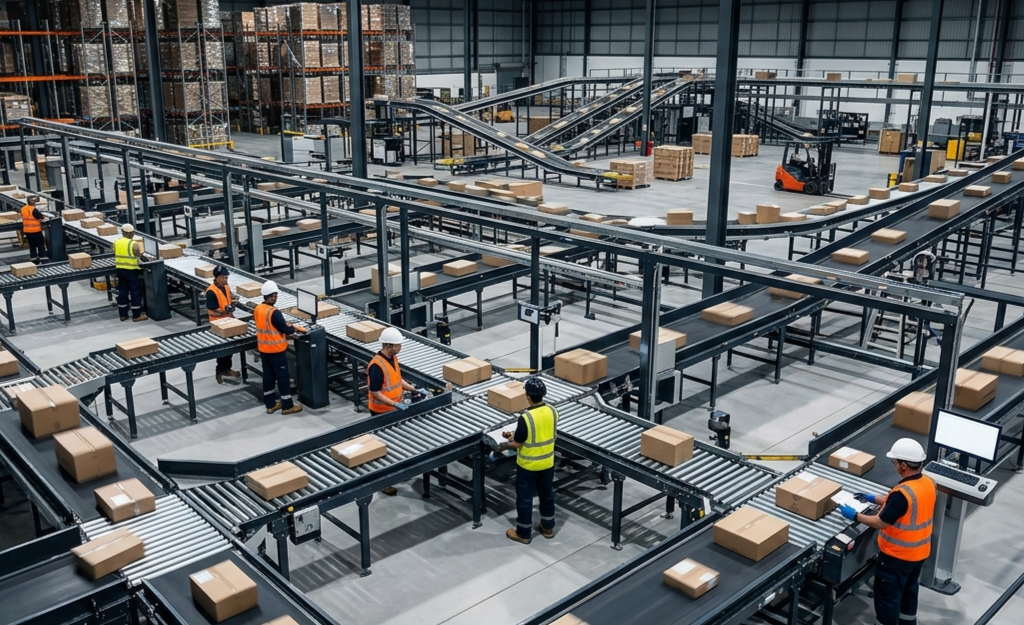
Event-driven parcel digitization enables logistics providers to gain real-time visibility, improve operational efficiency, and enhance customer experience across the delivery lifecycle. Traditional parcel operations often lack synchronization between sorting, routing, and delivery systems, limiting agility and responsiveness. This case study highlights how a leading postal and courier services provider transformed its operations by implementing an event-driven architecture. By digitizing the end-to-end parcel lifecycle and enabling real-time orchestration, the organization improved efficiency, reduced incidents, and enhanced customer engagement.
Customer
A British multinational postal and courier services provider operating large-scale parcel sorting and last-mile delivery networks.
Business Objective
- Digitize the end-to-end parcel lifecycle
- Enable in-flight delivery changes
- Improve customer onboarding and retention
- Enhance operational visibility and control
- Compete with digital-first logistics providers
Scope of Services
- Integration across parcel, sortation, and route planning systems
- Implementation of event-driven architecture for parcel tracking
- Automated alerts and task orchestration
- PDA integration for real-time field updates
- Enablement of operational and customer visibility
Benefits
- 60% reduction in EPS-related incidents
- Automated operational interventions
- Faster and more accurate parcel processing
- Improved synchronization across logistics systems
- Enhanced visibility across delivery lifecycle
Impact
- 100% digitization of parcel lifecycle
- Improved decision-making at sortation hubs
- Enhanced customer experience through real-time tracking

Introduction
Scalable platform deployment enables capital-heavy manufacturing organizations to modernize operations without committing to large upfront investments. Traditional transformation programs often require significant capital expenditure, creating hesitation and slowing adoption. This case study highlights how a manufacturing enterprise adopted modular, service-based platforms to reduce financial risk and accelerate return on investment. By shifting from a CAPEX-heavy approach to a scalable OPEX-driven model, the organization enabled faster deployment, improved flexibility, and aligned technology investments with business growth.
Customer
A capital-heavy manufacturing organization cautious about large upfront investments and seeking flexible technology adoption models.
Business Objective
- Minimize upfront capital expenditure
- Achieve faster return on investment
- Reduce financial risk in transformation initiatives
- Enable scalable and phased technology adoption
- Improve confidence in technology investments
Scope of Services
- Deployment of modular, scalable platforms
- Implementation of service-based delivery models
- Phased rollout aligned with business priorities
- Enablement of flexible scaling across operations
- Optimization of cost and investment structures
Benefits
- Reduced financial risk through phased investments
- Flexible scaling aligned with business demand
- Lower barrier to technology adoption
- Improved alignment between cost and value realization
- Increased agility in decision-making
Impact
- Faster ROI cycles across initiatives
- Improved stakeholder confidence in technology investments
- More efficient allocation of capital resources

Introduction
Global IT service delivery transformation is critical for manufacturing enterprises operating across multiple geographies, where uninterrupted IT support directly impacts production and workforce productivity. Fragmented service models often create inefficiencies, slow response times, and lack clear accountability. This case study highlights how a leading steel manufacturer centralized its IT service operations to improve efficiency, responsiveness, and governance. By implementing a unified service delivery model, the organization enhanced operational consistency and ensured reliable IT support across global manufacturing and business environments.
Customer
Europe’s second-largest steel producer operating in 26 countries, with a commercial presence in over 50 countries and a globally distributed workforce across five continents.
Business Objective
- Improve service efficiency across global IT operations
- Reduce operational friction and service delays
- Establish a single-accountability service model
- Enable consistent 24/7 IT support
- Improve workforce productivity through reliable IT services
Scope of Services
- 24/7 application and IT support across environments
- On-premise IT support at manufacturing sites
- Centralized operations hub for service coordination
- Global service delivery management and governance
- Optimization of IT service processes and workflows
Benefits
- Faster operational processing across IT services
- Improved issue resolution and response time
- Better workforce productivity through reliable support
- Reduced complexity in managing global IT operations
- Stronger accountability across service delivery
Impact
- 95% faster gate pass processing
- 20% improvement in first call resolution
- 60% workforce rebadging enabling single-accountability model

Introduction
AI-enabled chronic disease monitoring helps healthcare providers deliver continuous care, enable early intervention, and improve long-term patient outcomes. Managing chronic diseases requires ongoing tracking and timely response to changes in patient health. Traditional monitoring approaches often lack real-time insights and proactive intervention capabilities, leading to complications and hospitalizations. By leveraging AI-enabled chronic disease monitoring with wearable devices and predictive analytics, healthcare providers can continuously track patient health, detect early warning signs, and support preventive care strategies.
Customer
Healthcare providers managing patients with chronic diseases.
Business Objective
- Enable continuous monitoring of chronic conditions
- Support early detection of health deterioration
- Improve long-term patient care and outcomes
- Reduce complications through timely intervention
- Enhance preventive healthcare delivery
Scope of Services
- Wearable-based patient monitoring integration
- Continuous health data tracking and analysis
- Machine learning models for pattern detection
- Alert systems for caregiver intervention
- Integration with healthcare monitoring platforms
Benefits
- Improved preventive and proactive medical care
- Better patient monitoring outside clinical settings
- Early detection of potential health risks
- Enhanced quality of life for patients
- Reduced dependency on reactive treatment approaches
Impact
- Early intervention in chronic conditions
- Reduced complications and hospital visits
- Improved long-term patient outcomes
- More efficient healthcare management

Introduction
Hybrid IT infrastructure transformation enables global enterprises to reduce capital expenditure, improve resilience, and increase operational agility. A leading international financial services organization faced high infrastructure costs, complex global operations, and limitations in disaster recovery efficiency. Legacy systems and fragmented environments slowed provisioning and impacted service reliability. By implementing a hybrid IT infrastructure model combined with automation and centralized operations, the organization modernized its IT landscape, improved scalability, and enhanced operational performance across global locations.
Customer
One of the world’s largest family-owned financial institute services companies, operating globally across 50+ countries and serving over 100,000 clients.
Business Objective
- Reduce infrastructure CAPEX and shift to OPEX model
- Improve disaster recovery efficiency with defined RTO/RPO
- Increase IT agility and provisioning speed
- Reduce incidents and improve service reliability
- Modernize infrastructure with hybrid IT architecture
Scope of Services
- Core system and infrastructure support
- Service desk and command center operations
- Application and data center services
- Asset and workplace engineering services
- End-to-end 24×7 infrastructure management
- Hybrid IT and disaster recovery enablement
Benefits
- Reduced infrastructure and operational costs
- Improved disaster recovery efficiency and reliability
- Faster provisioning and improved agility
- Enhanced service reliability through proactive operations
- Scalable and standardized global IT operations
Impact
- 90% reduction in IT infrastructure CAPEX
- 45% reduction in disaster recovery costs
- 30% incidents proactively resolved
- 2× increase in provisioning speed
- 7× improvement in IT agility

Introduction
Integrated IT services transformation enables financial institutions to optimize costs, improve service quality, and strengthen governance across complex technology environments. A consumer division of a multinational retail banking group faced rising maintenance costs, fragmented service delivery, and increasing regulatory pressures. Managing applications, infrastructure, and compliance across geographies created inefficiencies and limited scalability. By implementing an integrated IT services transformation, the organization centralized operations, improved service consistency, and established a scalable and secure operating model.
Customer
Consumer division of a multinational retail banking group offering insurance, credit cards, and investment products.
Business Objective
- Reduce recurring IT and application maintenance costs
- Improve service quality and operational consistency
- Enable faster time-to-market for new initiatives
- Strengthen cybersecurity, risk, and compliance posture
- Support scalable operations across geographies
Scope of Services
- Centralized application managed services
- IT service management transformation
- DevOps-driven onboarding and scaling of applications
- Cybersecurity and GRC enablement
- Service knowledge management implementation
- Offshore shared services delivery model
- Continuous cost and productivity optimization
Benefits
- Reduced dependency on large support teams
- Improved efficiency and service consistency
- Stronger cybersecurity and compliance posture
- Lower run and change effort
- Better cost governance and control
- Improved alignment between IT and business functions
Impact
- 22% reduction in incidents
- 19% improvement in cybersecurity and GRC effectiveness
- Up to 30% reduction in run and change efforts
- 6% productivity improvement within 18 months
- 5% improvement in cost control effectiveness
- Enhanced operational resilience across banking operations