
Introduction
Incident analytics–driven IT automation enables banking institutions to improve resilience, reduce incident volumes, and enhance customer experience. Large-scale banking environments often face high volumes of IT incidents, especially during peak business hours, impacting users and customers. Reactive support models lead to SLA breaches, delayed resolution, and operational inefficiencies. This case study highlights how a banking institution leveraged data-driven incident analytics and automation to identify patterns, reduce manual intervention, and build a proactive, self-healing IT operations model.
Customer
A banking institution operating large-scale IT environments with 24×7 support requirements and high incident volumes impacting business users and customers.
Business Objective
- Improve IT resilience through automated healing
- Reduce incident volumes during peak business hours
- Minimize SLA violations in response and resolution
- Shift from reactive to proactive IT operations
- Enhance end-user and customer experience
Scope of Services
- Incident data analysis using heat maps and ticket analytics
- Identification of peak-hour incident patterns
- Classification of incidents based on type and automation potential
- Analysis of high-volume incident drivers (password, account, connectivity, configuration)
- Identification of duplicate and related tickets
- Design and enablement of automation and auto-healing workflows
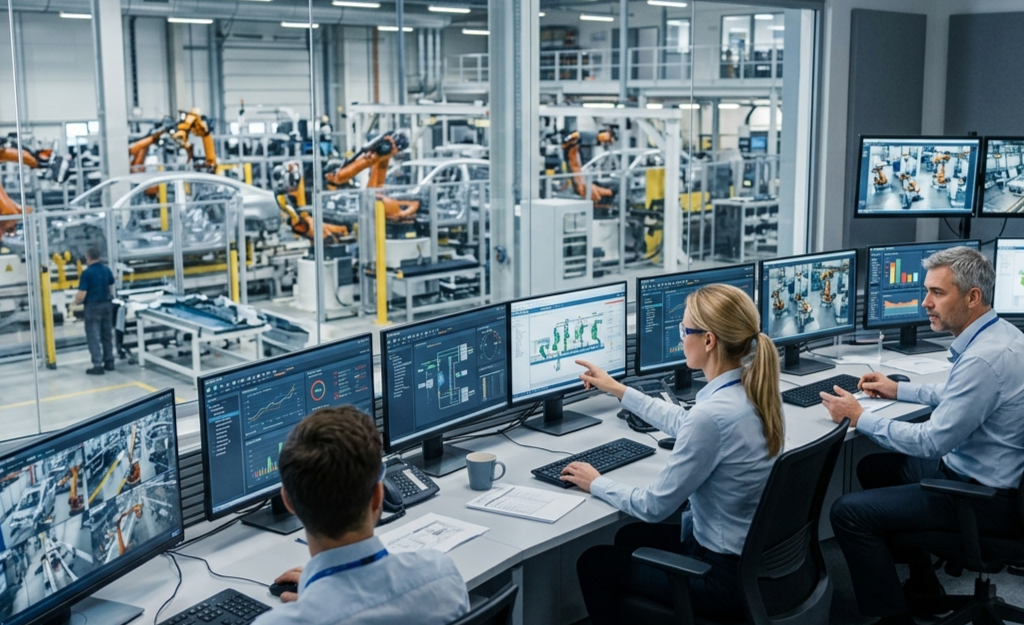
- Establishment of a 24×7 integrated command center
Benefits
- Faster incident response and resolution
- Reduced dependency on manual support processes
- Improved SLA adherence across operations
- Better prioritization of critical incidents
- Reduced operational noise and duplication
- Enhanced productivity of IT support teams
Impact
- ~75% of incidents during business hours optimized for automation
- Up to 30.7% automated resolution potential identified
- High automation potential across key categories:
- Password issues (22%)
- Account issues (19%)
- Connectivity issues (17%)
- Configuration issues (16%)
- Reduced manual intervention in repeatable incidents
- Established foundation for scalable, self-healing IT operations
Introduction
Application support transformation is critical for insurance providers managing high volumes of customer-facing service requests across multiple channels. Traditional support models relying heavily on L2/L3 teams often lead to delays, SLA breaches, and inconsistent customer experiences. This case study highlights how an insurance provider transformed its application support operations by implementing self-service, automation, and a shift-left strategy. By optimizing ticket handling and enabling multi-channel support automation, the organization improved service efficiency, reduced operational effort, and enhanced customer satisfaction.
Customer
An insurance provider delivering application-based services across operations, finance, HR, and technology domains, handling high-volume support requests through web, voice, email, and alert-based channels.
Business Objective
- Improve customer experience through faster resolution
- Reduce SLA violations in response and resolution
- Shift workload from L2/L3 to L1 through automation
- Optimize operational effort and resource utilization
- Enable scalable multi-channel support
Scope of Services
- Ticket volume analysis and baseline assessment
- Incident vs service request classification
- SLA performance and compliance analysis
- Skill-wise workload and resource optimization
- Automation opportunity identification across applications
- Self-service and BOT-driven support enablement
- Shift-left strategy implementation across L1/L2/L3
Benefits
- Reduced dependency on manual ticket handling
- Faster response and resolution through automation
- Improved SLA compliance across service operations
- Better utilization of L1 support resources
- Enhanced consistency across multi-channel support
Impact
- ~48% of tickets identified for automation
- ~37% effort optimization potential
- Streamlined high-volume incident categories
- Improved customer experience through faster resolution
- Optimized workload distribution across support tiers
Introduction
Predictive IT operations enable enterprises to move from reactive incident handling to proactive and intelligent service management. Automotive manufacturers operating complex IT ecosystems often face high incident volumes, false alerts, and critical system failures across SAP, MES, and enterprise platforms. These challenges impact operational efficiency and increase downtime risks. This case study highlights how a leading automotive manufacturer implemented predictive analytics and observability-driven automation to improve incident management, reduce noise, and enable self-healing IT operations across its datacenter and enterprise systems.
Customer
A leading automotive manufacturer managing large-scale datacenter operations and enterprise systems including SAP, MES, HCM, and network infrastructure.
Business Objective
- Reduce manual ticket handling and operational load
- Minimize false positives and alert noise
- Reduce P1/P2 incidents and critical failures
- Enable predictive and automated incident resolution
- Improve efficiency across IT operations
Scope of Services
- Analysis of IT incident patterns and event behavior
- Event classification and severity alignment
- Alert correlation and false-positive reduction
- Automation of service requests and incident resolution
- Predictive monitoring across SAP, MES, HCM, and infrastructure systems
Benefits
- Reduced alert noise and false positives
- Improved accuracy in incident detection and prioritization
- Faster response and resolution of critical issues
- Enhanced reliability of enterprise systems
- Better operational visibility through observability platforms
Impact
- 51% of manually logged issues identified for automation
- 40–50% automation potential across incidents and requests
- 44% of total incidents identified as automatable
- Significant reduction in P1/P2 incidents
Introduction
ITSM optimization is critical for manufacturing organizations handling high volumes of IT service requests across complex environments. Large-scale cement operations often experience rising ticket volumes across infrastructure, applications, and security systems, leading to inefficiencies and increased operational load. This case study highlights how a cement producer improved IT service efficiency by implementing structured ITSM optimization and ticket intelligence. By analyzing ticket patterns, enabling self-service, and standardizing workflows, the organization built a strong foundation for scalable automation and improved service delivery.
Customer
A cement producer operating large-scale manufacturing facilities with high volumes of IT service requests across infrastructure, applications, and support environments.
Business Objective
- Reduce IT ticket volumes and operational load
- Improve efficiency through self-service and automation readiness
- Optimize incident vs service request handling
- Enhance response times and service availability
- Improve cost efficiency across IT operations
Scope of Services
- Baseline analysis of IT tickets and service requests
- Ticket classification and automation readiness assessment
- Service catalogue design and digitization
- Process alignment for ITSM workflows and prioritization
- Identification of automation and self-service opportunities
- KPI-driven optimization of IT service operations
Benefits
- Improved efficiency in ticket handling and service delivery
- Reduced manual intervention in repetitive issues
- Better visibility into ticket patterns and root causes
- Clear segregation of incidents and service requests
- Improved prioritization aligned with business KPIs
Impact
- 36,107 tickets analyzed across environments
- Identification of 20–24% automation potential
- 40% automation efficiency potential in security issues
- 47% of tickets attributed to process-related issues
- Reduced dependency on manual ticket resolution
Introduction
AI-driven self-healing IT operations enable manufacturing organizations to reduce downtime, improve service efficiency, and optimize IT support at scale. A cement manufacturing company operating large-scale plants faced high volumes of IT service tickets across EUC, SAP, network, and application environments. Manual handling led to delays, SLA breaches, and operational inefficiencies that directly impacted plant uptime. By implementing self-healing IT operations and ITSM automation, the organization transformed its IT support model, reduced manual effort, and improved service reliability across critical systems.
Customer
A cement manufacturing company managing large-scale plant operations with high IT service ticket volumes across multiple technology environments.
Business Objective
- Reduce IT incidents and SLA breaches
- Improve turnaround time (TAT) for issue resolution
- Minimize manual effort in IT support operations
- Enhance plant uptime and operational efficiency
- Enable automation-driven IT service management
Scope of Services
- ITSM process alignment and event categorization
- Ticket classification for incidents and service requests
- Automation across EUC, SAP, applications, and network
- Proactive monitoring and automated ticket handling
- Service catalogue digitization and rationalization
- Identification and implementation of automation opportunities
Benefits
- Reduced turnaround time and SLA impact
- Improved service quality through automated resolution
- Lower manual dependency and fewer operational errors
- Faster incident prioritization and response
- Improved efficiency across IT support functions
Impact
- 11,586 tickets analyzed (Jan–Aug 2025)
- 1.32M+ transactions automated annually
- 97,000+ FTE hours saved annually
- 49 bots deployed in production
- 16 processes automated
- 48.33% automation potential identified
- Significant reduction in EUC, SAP, and process-related incidents
Introduction
Workforce automation is critical for industrial organizations facing skilled labor shortages and increasing dependency on specialized resources. Manual processes and complex workflows often require highly skilled personnel, creating bottlenecks and increasing operational risks. This case study highlights how an industrial organization improved productivity and operational continuity by implementing digital operational platforms and automation-enabled workflows. By simplifying processes and reducing reliance on specialized labor, the organization ensured consistent performance and scalable operations despite workforce constraints.
Customer
An industrial organization facing shortages of skilled labor and increasing dependency on specialized resources across its operations.
Business Objective
- Maintain productivity despite workforce shortages
- Reduce dependency on specialized labor
- Ensure operational continuity
- Simplify complex processes
- Improve workforce efficiency and output
Scope of Services
- Implementation of digital operational platforms
- Enablement of automation-driven workflows
- Simplification of operational processes
- Standardization of workflows across functions
- Continuous optimization of workforce efficiency
Benefits of Workforce Automation
- Reduced reliance on highly specialized resources
- Improved workforce efficiency and productivity
- Simplified and standardized operations
- Reduced operational complexity
- Better scalability of workforce processes
Impact
- Lower training and onboarding costs
- Reduced operational errors
- Improved overall productivity
- Enhanced operational continuity
Introduction
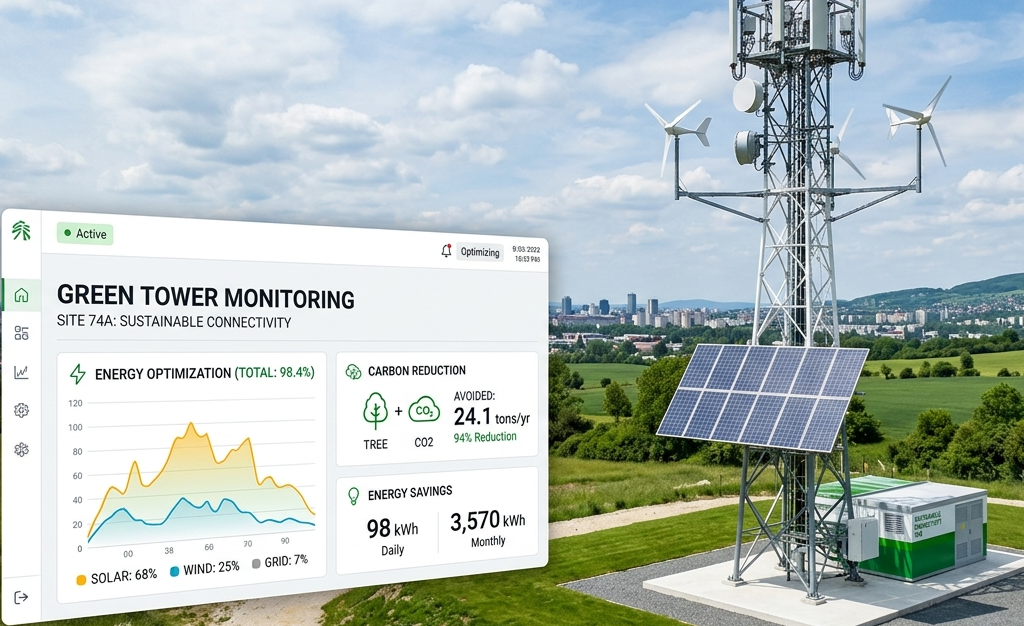
Energy optimization has become a critical priority for manufacturing organizations facing rising fuel costs and increasing environmental regulations. Inefficient fuel usage and lack of visibility into energy consumption often lead to higher operational expenses and regulatory penalties. This case study highlights how an energy-intensive manufacturing organization improved efficiency and sustainability by implementing telematics and energy monitoring solutions. By gaining real-time visibility into fuel consumption and optimizing equipment utilization, the organization reduced costs, improved environmental compliance, and enhanced overall operational performance.
Customer
An energy-intensive manufacturing organization facing rising fuel costs and environmental penalties across its operations.
Business Objective
- Reduce fuel consumption across operations
- Improve overall energy efficiency
- Minimize environmental impact and penalties
- Enhance visibility into energy usage patterns
- Support sustainability and cost optimization goals
Scope of Services
- Implementation of energy usage monitoring systems
- Integration of telematics for fuel and equipment tracking
- Deployment of energy optimization dashboards
- Analysis of fuel consumption and utilization patterns
- Continuous optimization of energy and operational efficiency
Benefits
- Improved visibility into fuel consumption and usage
- Better control over energy utilization across operations
- Reduced waste and inefficiencies in fuel usage
- Enhanced sustainability and environmental performance
- Improved decision-making through real-time insights
Impact
- Lower fuel expenses across operations
- Reduced environmental penalties
- Improved overall profitability
Introduction
Safety and compliance automation is critical for industrial organizations operating in regulated environments where adherence to standards directly impacts workforce safety and business continuity. Manual compliance processes often lead to delays, audit challenges, and increased risk of incidents or penalties. This case study highlights how an industrial organization improved safety governance and compliance efficiency by implementing automated workflows and digital monitoring systems. By digitizing safety processes and enabling real-time tracking, the organization reduced risk exposure and strengthened its compliance posture across operations.
Customer
An industrial organization operating in highly regulated environments with strict safety and compliance requirements across its operations.
Business Objective
- Minimize safety incidents and operational risks
- Avoid regulatory penalties and non-compliance
- Protect organizational reputation
- Improve compliance tracking and reporting
- Enable standardized safety processes across operations
Scope of Services
- Implementation of compliance reporting automation
- Enablement of digital safety workflows and checklists
- Regulatory tracking and monitoring system deployment
- Integration of safety reporting across operations
- Optimization of audit and compliance processes
Benefits of Safety and Compliance Automation
- Improved adherence to safety and regulatory standards
- Streamlined compliance reporting processes
- Reduced dependency on manual audits
- Better visibility into safety performance
- Faster identification of compliance gaps
Impact
- Lower accident rates across operations
- Reduced regulatory fines and penalties
- Improved overall compliance posture
Introduction
Supply chain visibility is critical for manufacturing enterprises that rely on the timely availability of spare parts to maintain project continuity and operational efficiency. Lack of real-time visibility into inventory and supplier coordination often leads to delays, increased costs, and project overruns. This case study highlights how a manufacturing enterprise improved supply chain reliability by implementing integrated visibility tools and real-time tracking systems. By enabling better coordination with suppliers and improving inventory insights, the organization reduced delays and strengthened overall delivery performance.
Customer
A manufacturing enterprise dependent on the timely availability of spare parts and equipment across multiple projects and operational environments.
Business Objective
- Eliminate delays caused by spare-part shortages
- Improve supply chain reliability and coordination
- Enhance visibility into inventory and vendor operations
- Reduce project overruns and associated costs
- Enable proactive issue identification and resolution
Scope of Services
- Integration of supply chain visibility tools
- Enablement of vendor management systems
- Implementation of real-time tracking dashboards
- Integration with modular ERP components
- Optimization of supply chain workflows and coordination
Benefits
- Improved coordination with suppliers and vendors
- Reduced delays in spare-part availability
- Proactive identification of supply chain issues
- Better visibility into inventory and logistics status
- Improved planning and execution across projects
Impact
- Lower project overruns
- Reduced financial losses due to delays
- Improved delivery timelines and operational efficiency
Introduction
Predictive maintenance has become essential for asset-intensive manufacturing organizations where equipment reliability directly impacts productivity and project timelines. Frequent breakdowns not only increase maintenance costs but also disrupt operations and delay critical outputs. Traditional reactive maintenance approaches fail to provide the visibility needed to prevent failures in advance. This case study highlights how an asset-intensive manufacturing organization leveraged IoT sensors and AI-based analytics to predict equipment failures and optimize maintenance planning. By shifting from reactive to predictive maintenance, the organization improved asset availability, reduced downtime, and enhanced overall operational efficiency.
Customer
An asset-intensive manufacturing organization experiencing frequent equipment breakdowns impacting productivity and project timelines.
Business Objective
- Reduce unplanned equipment downtime
- Control rising maintenance costs
- Improve asset availability and reliability
- Minimize operational disruptions
- Enable proactive maintenance strategies
Scope of Services
- Implementation of predictive maintenance framework
- Integration of IoT sensors for real-time equipment monitoring
- Deployment of AI-based analytics for failure prediction
- Optimization of maintenance schedules based on insights
- Continuous monitoring and performance improvement
Benefits
- Reduced unexpected equipment failures
- Improved maintenance planning and scheduling
- Lower operational disruptions and downtime
- Increased asset reliability and lifespan
- Better utilization of maintenance resources
Impact
- Improved overall productivity
- Reduced operational and maintenance expenses
- Minimized project delays caused by breakdowns