Introduction
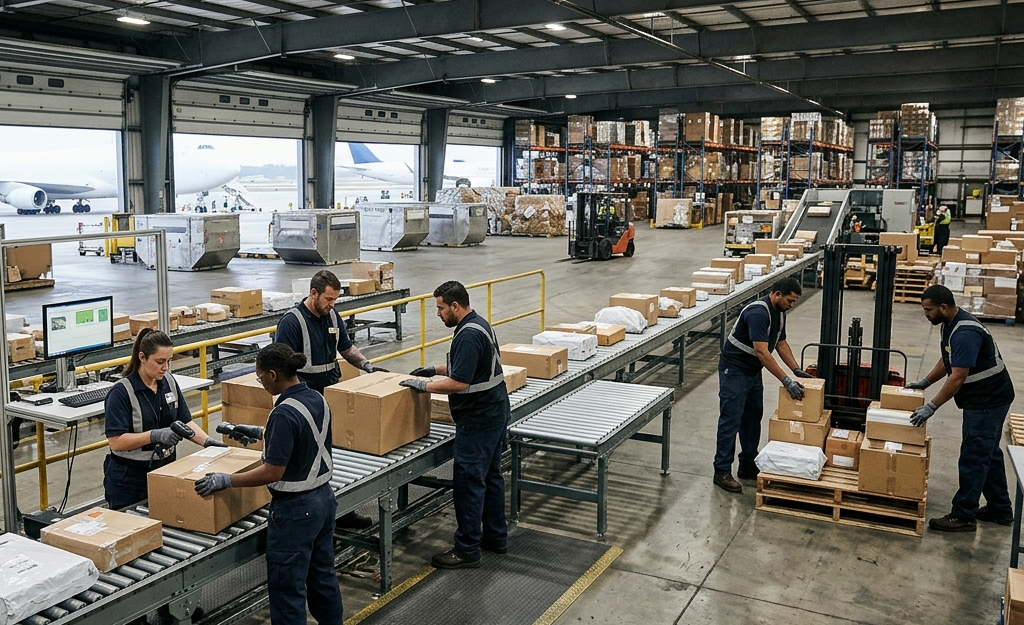
AI-driven customs clearance optimization enables logistics companies to reduce delays, improve compliance accuracy, and enhance international shipment efficiency. Customs processing is often a major bottleneck due to manual documentation, regulatory complexity, and risk assessment challenges. This case study highlights how a global courier and express logistics company transformed customs clearance into a competitive advantage by leveraging AI, image recognition, and analytics. By automating classification, predicting risks, and enabling real-time workflows, the organization significantly improved clearance speed and accuracy.
Customer
A US-based global courier and express logistics company handling large volumes of international shipments and customs operations.
Business Objective
- Transform customs clearance into a competitive differentiator
- Predict shipment caging risks proactively
- Reduce manual documentation errors
- Improve accuracy and speed of clearance processes
- Enhance international shipment efficiency
Scope of Services
- HS code prediction using AI/ML models
- Risk scoring models for shipment evaluation
- Document and image processing automation
- Real-time workflow enablement for customs operations
- Integration with logistics and compliance systems
Benefits
- Reduced customs delays and processing time
- Improved accuracy in classification and documentation
- Lower risk of compliance errors and penalties
- Faster clearance workflows
- Enhanced operational efficiency in international logistics
Impact
- 94–97% success rate in caging identification
- Reduced revenue leakage from classification errors
- Faster international shipment processing
- Improved compliance and clearance accuracy

Introduction
Digital commerce platforms enable logistics providers to unify customer interactions, improve shipment visibility, and deliver seamless end-to-end experiences. Fragmented systems across channels often lead to inconsistent customer journeys, limited visibility, and increased dependency on support teams. This case study highlights how an APAC-based logistics provider transformed its operations by building a unified digital commerce platform. By integrating cloud infrastructure, DevOps pipelines, and real-time tracking capabilities, the organization enhanced customer experience, improved operational visibility, and reduced service overhead.
Customer
An APAC-based integrated logistics service provider operating across multiple business units and customer channels.
Business Objective
- Eliminate fragmented customer experience across channels
- Create a unified digital commerce platform
- Improve end-to-end shipment visibility
- Reduce dependency on support channels
- Enable scalable digital operations
Scope of Services
- Development of a unified digital business platform
- Cloud infrastructure setup and automation on AWS
- Implementation of track-and-trace MVP
- Integration across business units and systems
- Deployment of recovery and resilience mechanisms
Benefits
- Unified and consistent customer experience
- Improved visibility across shipment lifecycle
- Reduced dependency on call-center support
- Enhanced operational efficiency
- Scalable digital platform for growth
Impact
- 20% reduction in customer churn
- 28% reduction in call-center volumes
- Single unified view of customer transactions
- Improved customer engagement and retention

Introduction
Blockchain interoperability platforms enable logistics enterprises to collaborate across distributed ecosystems, ensuring secure, real-time data exchange between multiple stakeholders. Traditional logistics networks often operate in silos, limiting visibility and slowing down coordination across partners. This case study highlights how a global logistics enterprise implemented a multi-protocol blockchain platform to enable seamless interoperability across networks. By leveraging distributed ledger technology and high-performance service connectivity, the organization improved transaction efficiency, enhanced collaboration, and built a scalable digital ecosystem.
Customer
An EU-based global logistics enterprise operating multi-party logistics networks across regions and partners.
Business Objective
- Enable collaboration across multiple blockchain networks
- Support multi-protocol interoperability
- Achieve real-time data exchange across stakeholders
- Improve performance of logistics transactions
- Build a scalable and secure ecosystem
Scope of Services
- Design of blockchain platform architecture
- Development of interoperability framework across protocols
- Implementation of distributed ledger infrastructure
- gRPC-based service connectivity enablement
- Network operations, monitoring, and governance
- Enablement of logistics use cases on blockchain
Benefits
- Seamless interoperability across logistics networks
- High-performance transaction processing
- Improved transparency and traceability
- Enhanced collaboration across ecosystem partners
- Scalable platform for future network expansion
Impact
- 67% improvement in request fulfillment time
- Scalable collaboration across multi-party logistics ecosystem
- Faster and more reliable transaction processing

Introduction
Connected fleet platforms enable logistics providers to leverage real-time telematics data for operational efficiency, predictive maintenance, and new revenue streams. Traditional fleet operations often lack integrated visibility across vehicles, leading to reactive maintenance, inaccurate ETAs, and limited ability to monetize data. This case study highlights how a leading trucking and logistics provider transformed its fleet operations by implementing a connected telematics platform. By integrating IoT data, predictive analytics, and route optimization, the organization improved operational predictability, enhanced customer experience, and unlocked new monetization opportunities.
Customer
A leading US-based trucking and logistics provider operating a fleet of approximately 0.5 million vehicles across large-scale transportation networks.
Business Objective
- Monetize telematics and fleet data
- Enable predictive maintenance across vehicles
- Improve ETA accuracy and customer experience
- Enhance operational visibility and efficiency
- Prepare for electric and autonomous vehicle integration
Scope of Services
- Design of connected fleet platform architecture
- Real-time ingestion of telematics and vehicle data
- Predictive maintenance analytics implementation
- Route optimization and ETA prediction logic
- Development of data monetization frameworks
- Integration with OEMs and service providers
Benefits
- Reduced maintenance costs through predictive insights
- Improved compliance through digital inspection (eDVIR)
- Better operational predictability across fleet operations
- Enhanced visibility into vehicle performance
- Scalable platform for future mobility innovations
Impact
- Improved customer satisfaction through accurate ETAs
- Enabled value-added services through data monetization
- Proactive maintenance reducing downtime risks
- Enhanced efficiency in large-scale fleet operations

Introduction
Event-driven parcel digitization enables logistics providers to gain real-time visibility, improve operational efficiency, and enhance customer experience across the delivery lifecycle. Traditional parcel operations often lack synchronization between sorting, routing, and delivery systems, limiting agility and responsiveness. This case study highlights how a leading postal and courier services provider transformed its operations by implementing an event-driven architecture. By digitizing the end-to-end parcel lifecycle and enabling real-time orchestration, the organization improved efficiency, reduced incidents, and enhanced customer engagement.
Customer
A British multinational postal and courier services provider operating large-scale parcel sorting and last-mile delivery networks.
Business Objective
- Digitize the end-to-end parcel lifecycle
- Enable in-flight delivery changes
- Improve customer onboarding and retention
- Enhance operational visibility and control
- Compete with digital-first logistics providers
Scope of Services
- Integration across parcel, sortation, and route planning systems
- Implementation of event-driven architecture for parcel tracking
- Automated alerts and task orchestration
- PDA integration for real-time field updates
- Enablement of operational and customer visibility
Benefits
- 60% reduction in EPS-related incidents
- Automated operational interventions
- Faster and more accurate parcel processing
- Improved synchronization across logistics systems
- Enhanced visibility across delivery lifecycle
Impact
- 100% digitization of parcel lifecycle
- Improved decision-making at sortation hubs
- Enhanced customer experience through real-time tracking

Introduction
AI-driven customer service optimization enables logistics organizations to reduce support costs, improve customer experience, and uncover hidden operational inefficiencies. Logistics providers handling large volumes of shipments often rely heavily on call-based customer support, leading to rising costs and inconsistent service quality. Limited visibility into the root causes of customer queries further restricts optimization efforts. This case study highlights how a logistics major leveraged analytics and AI to transform customer service operations, identify inefficiencies, and establish a scalable foundation for AI adoption across shipping workflows.
Customer
A logistics organization operating large-scale shipping and customer service operations with high dependency on call-based support and service desk interactions.
Business Objective
- Reduce customer service support costs
- Improve customer satisfaction and experience
- Identify hidden inefficiencies in operations
- Enable data-driven decision-making
- Scale AI adoption across logistics processes
Scope of Services
- Analysis of customer service call data and shipping operations
- Correlation of customer interactions with operational events
- Identification of inefficiencies and bottlenecks
- Root cause analysis of customer dissatisfaction drivers
- Identification and prioritization of AI use cases
- Continuous analytics and insight delivery
- Experimentation and validation of AI-driven solutions
Benefits
- Reduced dependency on live customer service agents
- Improved understanding of cost and inefficiency drivers
- Faster identification of operational bottlenecks
- Data-driven prioritization of automation initiatives
- Continuous improvement through analytics insights
Impact
- 13% reduction in customer calls through IVR and conversational AI
- 30+ analytical reports delivered to stakeholders
- 5+ AI use cases and POCs successfully implemented
- Improved visibility across customer service and shipping operations
- Established foundation for scalable AI adoption

Introduction
Incident analytics–driven IT automation enables banking institutions to improve resilience, reduce incident volumes, and enhance customer experience. Large-scale banking environments often face high volumes of IT incidents, especially during peak business hours, impacting users and customers. Reactive support models lead to SLA breaches, delayed resolution, and operational inefficiencies. This case study highlights how a banking institution leveraged data-driven incident analytics and automation to identify patterns, reduce manual intervention, and build a proactive, self-healing IT operations model.
Customer
A banking institution operating large-scale IT environments with 24×7 support requirements and high incident volumes impacting business users and customers.
Business Objective
- Improve IT resilience through automated healing
- Reduce incident volumes during peak business hours
- Minimize SLA violations in response and resolution
- Shift from reactive to proactive IT operations
- Enhance end-user and customer experience
Scope of Services
- Incident data analysis using heat maps and ticket analytics
- Identification of peak-hour incident patterns
- Classification of incidents based on type and automation potential
- Analysis of high-volume incident drivers (password, account, connectivity, configuration)
- Identification of duplicate and related tickets
- Design and enablement of automation and auto-healing workflows
- Establishment of a 24×7 integrated command center
Benefits
- Faster incident response and resolution
- Reduced dependency on manual support processes
- Improved SLA adherence across operations
- Better prioritization of critical incidents
- Reduced operational noise and duplication
- Enhanced productivity of IT support teams
Impact
- ~75% of incidents during business hours optimized for automation
- Up to 30.7% automated resolution potential identified
- High automation potential across key categories:
- Password issues (22%)
- Account issues (19%)
- Connectivity issues (17%)
- Configuration issues (16%)
- Reduced manual intervention in repeatable incidents
- Established foundation for scalable, self-healing IT operations

Introduction
Application support transformation is critical for insurance providers managing high volumes of customer-facing service requests across multiple channels. Traditional support models relying heavily on L2/L3 teams often lead to delays, SLA breaches, and inconsistent customer experiences. This case study highlights how an insurance provider transformed its application support operations by implementing self-service, automation, and a shift-left strategy. By optimizing ticket handling and enabling multi-channel support automation, the organization improved service efficiency, reduced operational effort, and enhanced customer satisfaction.
Customer
An insurance provider delivering application-based services across operations, finance, HR, and technology domains, handling high-volume support requests through web, voice, email, and alert-based channels.
Business Objective
- Improve customer experience through faster resolution
- Reduce SLA violations in response and resolution
- Shift workload from L2/L3 to L1 through automation
- Optimize operational effort and resource utilization
- Enable scalable multi-channel support
Scope of Services
- Ticket volume analysis and baseline assessment
- Incident vs service request classification
- SLA performance and compliance analysis
- Skill-wise workload and resource optimization
- Automation opportunity identification across applications
- Self-service and BOT-driven support enablement
- Shift-left strategy implementation across L1/L2/L3
Benefits
- Reduced dependency on manual ticket handling
- Faster response and resolution through automation
- Improved SLA compliance across service operations
- Better utilization of L1 support resources
- Enhanced consistency across multi-channel support
Impact
- ~48% of tickets identified for automation
- ~37% effort optimization potential
- Streamlined high-volume incident categories
- Improved customer experience through faster resolution
- Optimized workload distribution across support tiers

Introduction
Predictive IT operations enable enterprises to move from reactive incident handling to proactive and intelligent service management. Automotive manufacturers operating complex IT ecosystems often face high incident volumes, false alerts, and critical system failures across SAP, MES, and enterprise platforms. These challenges impact operational efficiency and increase downtime risks. This case study highlights how a leading automotive manufacturer implemented predictive analytics and observability-driven automation to improve incident management, reduce noise, and enable self-healing IT operations across its datacenter and enterprise systems.
Customer
A leading automotive manufacturer managing large-scale datacenter operations and enterprise systems including SAP, MES, HCM, and network infrastructure.
Business Objective
- Reduce manual ticket handling and operational load
- Minimize false positives and alert noise
- Reduce P1/P2 incidents and critical failures
- Enable predictive and automated incident resolution
- Improve efficiency across IT operations
Scope of Services
- Analysis of IT incident patterns and event behavior
- Event classification and severity alignment
- Alert correlation and false-positive reduction
- Automation of service requests and incident resolution
- Predictive monitoring across SAP, MES, HCM, and infrastructure systems
Benefits
- Reduced alert noise and false positives
- Improved accuracy in incident detection and prioritization
- Faster response and resolution of critical issues
- Enhanced reliability of enterprise systems
- Better operational visibility through observability platforms
Impact
- 51% of manually logged issues identified for automation
- 40–50% automation potential across incidents and requests
- 44% of total incidents identified as automatable
- Significant reduction in P1/P2 incidents

Introduction
ITSM optimization is critical for manufacturing organizations handling high volumes of IT service requests across complex environments. Large-scale cement operations often experience rising ticket volumes across infrastructure, applications, and security systems, leading to inefficiencies and increased operational load. This case study highlights how a cement producer improved IT service efficiency by implementing structured ITSM optimization and ticket intelligence. By analyzing ticket patterns, enabling self-service, and standardizing workflows, the organization built a strong foundation for scalable automation and improved service delivery.
Customer
A cement producer operating large-scale manufacturing facilities with high volumes of IT service requests across infrastructure, applications, and support environments.
Business Objective
- Reduce IT ticket volumes and operational load
- Improve efficiency through self-service and automation readiness
- Optimize incident vs service request handling
- Enhance response times and service availability
- Improve cost efficiency across IT operations
Scope of Services
- Baseline analysis of IT tickets and service requests
- Ticket classification and automation readiness assessment
- Service catalogue design and digitization
- Process alignment for ITSM workflows and prioritization
- Identification of automation and self-service opportunities
- KPI-driven optimization of IT service operations
Benefits
- Improved efficiency in ticket handling and service delivery
- Reduced manual intervention in repetitive issues
- Better visibility into ticket patterns and root causes
- Clear segregation of incidents and service requests
- Improved prioritization aligned with business KPIs
Impact
- 36,107 tickets analyzed across environments
- Identification of 20–24% automation potential
- 40% automation efficiency potential in security issues
- 47% of tickets attributed to process-related issues
- Reduced dependency on manual ticket resolution