
Customer
A leading FMCG and hospitality group operating across the Middle East and Africa, with multiple business entities requiring a standardized and scalable HR management environment.
Technology
Zoho People Plus Enterprise, Zoho Recruit, Zoho Payroll, Zoho Learn, Zoho Connect, Microsoft 365, Biometric Integration, Oracle/Finance System Integration
Business Objective
The client sought to standardize HR operations across multiple countries and business entities while creating a unified digital platform for workforce management.
Key objectives included:
- Standardize HR operations across multiple countries.
- Digitize the end-to-end employee lifecycle.
- Automate payroll and attendance processes.
- Streamline recruitment and employee onboarding.
- Centralize employee records and HR information.
- Establish a unified HR platform with country-specific compliance.
- Improve visibility through HR analytics and reporting.
Scope of services
BXI Technology procured and implemented Zoho People Plus Enterprise across multiple entities, covering:
- Configuration of core HR and employee management.
- Recruitment and onboarding through Zoho Recruit.
- Payroll and attendance automation.
- Performance management and learning management.
- Employee self-service enablement.
- HR analytics and reporting.
- Integration with biometric devices.
- Microsoft 365 integration.
- Oracle/Finance system integration.
- Employee data migration.
- User training and UAT management.
- Long-term support and maintenance.
Benefits
- Centralized HR management across multiple countries.
- Standardized HR processes and governance.
- Automated employee lifecycle workflows.
- Improved payroll accuracy and compliance.
- Enhanced employee self-service.
- Real-time HR analytics and reporting.
- Simplified multi-country HR administration.
- Scalable support for future expansion.
Impact
BXI Technology delivered a unified cloud-based HR ecosystem that modernized workforce management across multiple countries and business entities. The solution improved operational efficiency, strengthened compliance, enhanced employee experience, and established a scalable digital HR foundation to support continued business growth and global operations.

Introduction
Transportation Management System (TMS) consolidation enables global logistics enterprises to unify fragmented systems, improve visibility, and reduce operational complexity. Organizations operating across multiple geographies and transport modes often struggle with disconnected platforms, inconsistent data, and limited decision-making capabilities. This case study highlights how a global shipping and transportation company transformed its complex landscape into a unified operating model. By harmonizing data, standardizing processes, and defining a future-ready roadmap, the organization established a scalable foundation for efficient and integrated transportation operations.
Customer
A leading global shipping and transportation company operating across multiple geographies and managing complex, multi-modal logistics networks.
Business Objective
- Consolidate fragmented transportation systems into a unified model
- Achieve global visibility across transportation data and operations
- Define a future-ready transportation capability roadmap
- Reduce IT and operational costs through rationalization
- Enable centralized and data-driven decision-making
Scope of Services
- Enterprise transportation landscape assessment
- Business and IT capability discovery
- Evaluation and selection of TMS platform
- Solution blueprinting for unified operations
- Definition of transformation roadmap
- Data harmonization and process standardization strategy
- Integration and synchronization framework design
Benefits
- Single Transportation Management Platform for unified governance
- End-to-end visibility across all transportation modes and regions
- Standardized processes across geographies and business units
- Improved decision-making through harmonized data
- Scalable foundation for future transportation growth
Impact
- 7% reduction in forecasted IT costs
- $9M estimated total cost savings
- Unified TMS platform across ADM
- Improved global visibility and governance
- Foundation for scalable and future-ready transportation capabilities

Introduction
Global operating model transformation enables enterprises to standardize processes, improve governance, and reduce operational costs across complex, multi-region environments. Organizations operating in regulated industries often face fragmented processes, inconsistent compliance practices, and high run-the-business (RTB) costs. This case study highlights how a global enterprise transformed its IT and operations landscape by implementing a standardized, automation-led operating model. By combining AI-driven automation, process rationalization, and strong governance frameworks, the organization achieved scalable efficiency, compliance excellence, and financial optimization.
Customer
A global enterprise operating across multiple regions with a complex IT and operations landscape and strict regulatory and compliance requirements.
Business Objective
- Transform global operating model across IT and operations
- Standardize processes across portfolios and geographies
- Improve operational efficiency and governance
- Reduce RTB costs at scale
- Strengthen audit and compliance posture
Scope of Services
- Global IT and operations delivery transformation
- Process standardization and SOP rationalization
- Setup of Automation Center of Excellence (CoE)
- Implementation of AI-driven operational automation
- Risk, audit, and compliance governance frameworks
- Global delivery hub and proximity support enablement
Benefits
- Enterprise-wide standardized processes
- Strong and consistent compliance posture
- Improved agility and faster transformation cycles
- Predictable and scalable operating model
- Reduced dependency on external vendors
Impact
- Reduction from 395 SOPs to 25 standardized processes
- 100% green audit compliance sustained over multiple years
- Zero upfront financial commitment for transformation
- Multi-market automation rollout across regions
- Improved operational consistency and governance
Introduction
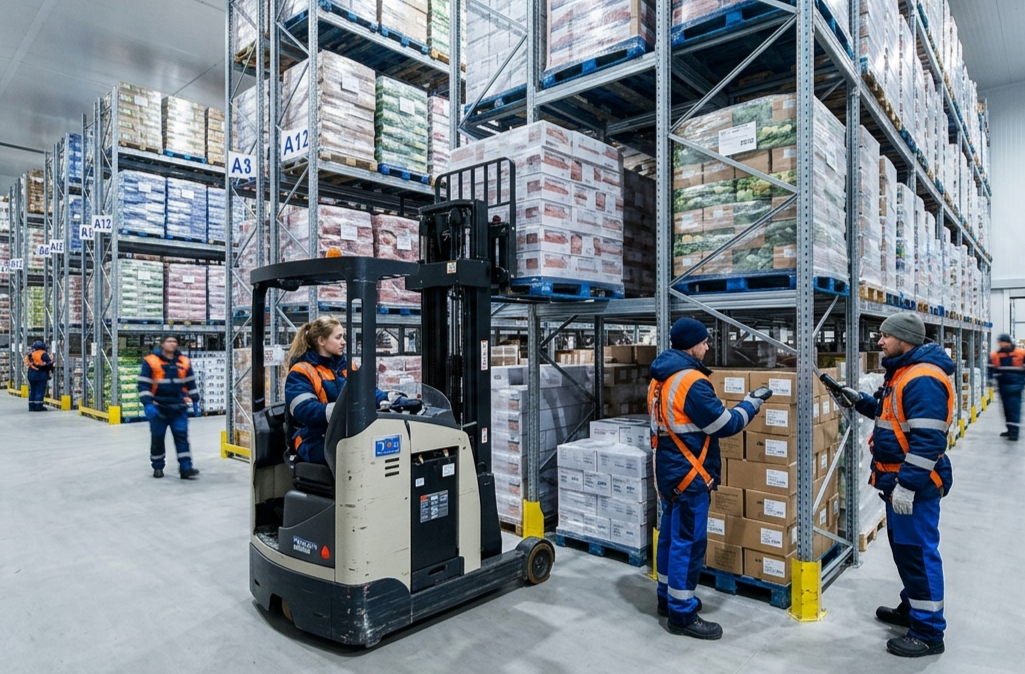
Cloud transformation is critical for cold chain logistics providers where infrastructure reliability directly impacts time-sensitive supply chains such as food and pharmaceuticals. Legacy data centers often limit scalability, increase operational risk, and hinder responsiveness to dynamic demand. This case study highlights how a global cold chain logistics provider adopted a cloud-first strategy to modernize its infrastructure. By leveraging hybrid cloud architecture and automation-driven migration, the organization improved resilience, ensured near-zero disruption, and created a scalable foundation for future digital operations.
Customer
A global cold chain logistics provider supporting temperature-controlled logistics, warehousing, and distribution for food and pharmaceutical supply chains.
Business Objective
- Enable a cloud-first IT strategy
- Improve infrastructure resilience and scalability
- Reduce dependency on legacy data centers
- Ensure zero disruption to critical operations
- Support future digital and operational growth
Scope of Services
- Migration of production and DR workloads to Microsoft Azure
- Implementation of hybrid cloud operating model (MCOD)
- Extension of cloud infrastructure across EMEA and APAC regions
- Data center consolidation and migration
- Infrastructure automation and digital twin modeling
- Testing, deployment, and stabilization of cloud environments
Benefits
- Improved infrastructure reliability and resilience
- Faster response to operational and business needs
- Standardized global infrastructure operations
- Reduced operational risk for time-sensitive logistics
- Scalable foundation for digital transformation
Impact
- 70% of workloads migrated to Azure
- 97% virtualization achieved
- Near-zero downtime during migration
- Near-zero data loss across systems
- Improved operational continuity across global operations

Introduction
Digital experience transformation is redefining how public transportation authorities engage with citizens and travelers. Modern mobility ecosystems require seamless, intuitive, and accessible experiences across airports, transit hubs, and digital platforms. Traditional infrastructure-focused approaches often fail to meet evolving expectations of convenience, personalization, and inclusivity. This case study highlights how a regional transportation authority transformed its ecosystem by integrating human-centered design, immersive technologies, and digital innovation. By leveraging AR/VR, mobile platforms, and multi-cloud infrastructure, the organization created future-ready transportation experiences while optimizing costs and accelerating innovation.
Customer
A leading Australian regional transportation authority responsible for managing metropolitan transport infrastructure, including airports, train stations, and multimodal transit systems.
Business Objective
- Design future-ready transportation assets aligned with long-term mobility vision
- Deliver accessible and world-class traveler experiences
- Position transport infrastructure as experience-driven destinations
- Reduce total cost of ownership through outsourcing and cloud adoption
- Accelerate innovation through incubation and digital experimentation
Scope of Services
- Human-centered design for airport and transit experiences
- Development of citizen-facing mobile applications
- AR/VR-based experience prototyping and visualization
- Strategic outsourcing of applications and infrastructure
- Multi-cloud enablement and migration
- Innovation incubation through rapid prototyping and validation
Benefits
- Improved citizen and traveler engagement
- Enhanced accessibility and inclusivity across services
- Reduced long-term IT and operational costs
- Faster innovation cycles through incubation approach
- Scalable and flexible digital infrastructure
Impact
- Delivery of immersive AR/VR-based experience designs
- Enablement of next-generation traveler experiences
- Foundation for scalable and future-ready transport systems
- Strengthened positioning of transport infrastructure as destinations
Introduction
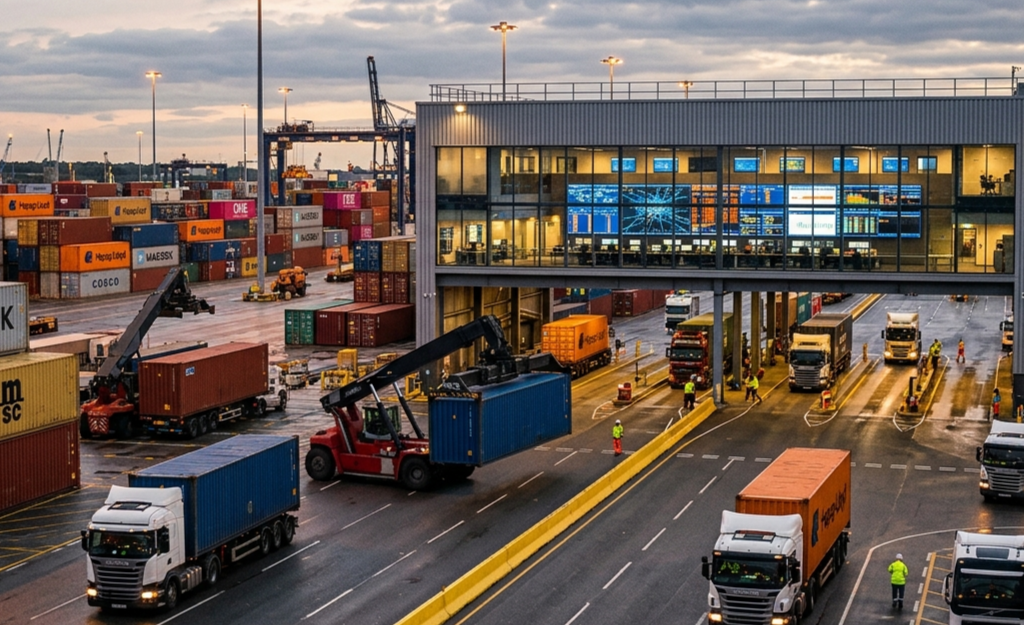
Digital logistics platform transformation enables enterprises to modernize legacy systems, reduce operational costs, and improve visibility across complex supply chain operations. Large logistics organizations often struggle with fragmented application landscapes, high run-the-business (RTB) costs, and limited end-to-end shipment visibility. This case study highlights how a global logistics company transformed its operations by building a next-generation digital logistics platform. By rationalizing legacy systems, standardizing processes, and integrating application and infrastructure support, the organization achieved significant cost savings, improved efficiency, and enhanced revenue realization.
Customer
A global supply chain services and logistics company headquartered in the United States, managing enterprise-scale freight forwarding operations and a large application ecosystem.
Business Objective
- Reduce RTB costs across IT and operations
- Improve end-to-end shipment visibility
- Standardize and re-engineer business processes
- Reduce incident volumes and support dependency
- Establish integrated SLAs and KPIs across operations
Scope of Services
- Transformation of core freight forwarding systems
- Design and development of a next-generation digital platform
- Rationalization of 170+ legacy applications
- Creation of a unified enterprise data layer (single source of truth)
- Application support services across 115 applications and 25 technologies
- Infrastructure support and enterprise help desk operations
- Stabilization and automation of support processes
- SLA and KPI definition and implementation
Benefits
- Significant reduction in RTB costs
- Faster customer onboarding through standardized workflows
- Improved shipment visibility across logistics operations
- Reduced complexity through platform consolidation
- Enhanced IT service reliability and predictability
Impact
- $100M reduction in RTB costs
- 60% reduction in customer onboarding time
- 11% increase in revenue realization
- 20%+ reduction in ticket volumes
- Improved operational efficiency across applications and infrastructure

Introduction
Enterprise BI governance is essential for organizations scaling analytics adoption while maintaining control, security, and cost efficiency. Large enterprises often face fragmented BI ecosystems, duplicate datasets, and lack of standardized reporting practices. This case study highlights how a leading freight rail transportation company established a structured Power BI governance model to enable enterprise-wide adoption. By implementing standardized data models, governance frameworks, and usage monitoring, the organization achieved scalable, secure, and cost-efficient analytics across business functions.
Customer
CSX Transportation, one of the largest freight rail transportation companies in North America, with enterprise-scale analytics and reporting users across multiple business units.
Business Objective
- Enable controlled and scalable enterprise-wide Power BI adoption
- Rationalize and migrate legacy BI assets
- Establish governance for secure self-service analytics
- Optimize platform usage and reduce BI total cost of ownership
- Improve consistency and reliability of reporting
Scope of Services
- Design and setup of Power BI Governance COE
- Definition of standards, policies, and governance procedures
- Role-based responsibility model for BI ownership
- Semantic modeling guidelines and certified dataset framework
- Governance processes for report lifecycle management
- Usage monitoring and capacity planning framework
- Workspace management, audit, and compliance enablement
- Execution roadmap for enterprise rollout
Benefits
- Structured and secure adoption of Power BI
- Improved self-service BI with governance control
- Reduced duplication of reports and datasets
- Better visibility into platform usage and performance
- Optimized software and operational costs
Impact
- Standardized semantic models and certified datasets
- Improved BI adoption through governed self-service
- Optimized Power BI capacity utilization
- Centralized workspace governance with audit readiness
- Clear accountability model for BI ownership
Introduction
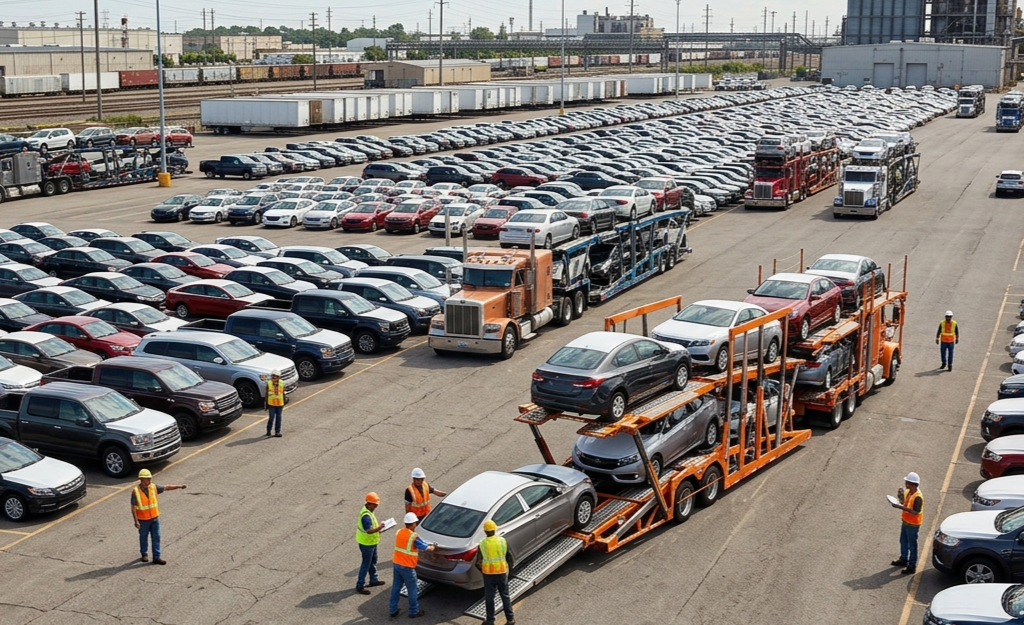
Global IT operations standardization enables logistics enterprises to eliminate fragmented processes and build scalable, automation-led delivery models. Transport and vehicle logistics companies operating across multiple countries often face inconsistent workflows, duplicated efforts, and limited coordination across regions. This case study highlights how a leading European transport and vehicle logistics company transformed its operations by implementing a globally integrated, automation-driven model. By standardizing processes and leveraging AI-driven monitoring and automation, the organization improved efficiency, reduced operational noise, and enhanced financial productivity.
Customer
A leading European transport and vehicle logistics company operating across multiple countries with globally distributed teams and support functions.
Business Objective
- Eliminate ad-hoc and non-standardized operational processes
- Drive automation-led transformation across applications and infrastructure
- Enable a globally integrated operating model
- Improve financial productivity through industrialized operations
- Enhance coordination across regions and delivery units
Scope of Services
- Application development, AMS, and infrastructure support
- Management of 55+ enterprise applications
- Multi-language EUC support across regions
- Global integrated operations and automation delivery model
- Proximity support across 13 countries
- NOC and SOC operations implementation
- Auto-ticketing and event-driven monitoring
- AI/ML-based automation and incident optimization
Benefits
- Standardized and consistent global operations
- Reduced operational overhead through automation
- Faster incident detection and resolution
- Improved cross-region coordination
- Better utilization of IT and support resources
Impact
- Integrated infrastructure and applications delivery model leveraging synergies
- MOM layer integrated with monitoring tools and AI-driven automation
- Measurable financial productivity through automation industrialization
- Reduced duplicate tickets and improved operational efficiency
- Scalable global operations model supporting business growth
Introduction
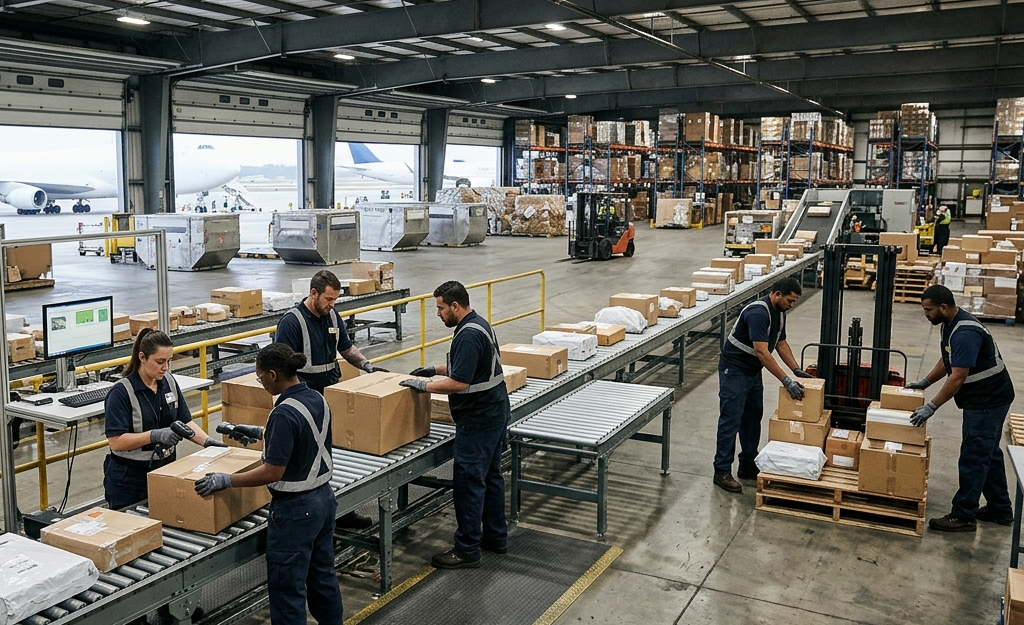
AI-driven customs clearance optimization enables logistics companies to reduce delays, improve compliance accuracy, and enhance international shipment efficiency. Customs processing is often a major bottleneck due to manual documentation, regulatory complexity, and risk assessment challenges. This case study highlights how a global courier and express logistics company transformed customs clearance into a competitive advantage by leveraging AI, image recognition, and analytics. By automating classification, predicting risks, and enabling real-time workflows, the organization significantly improved clearance speed and accuracy.
Customer
A US-based global courier and express logistics company handling large volumes of international shipments and customs operations.
Business Objective
- Transform customs clearance into a competitive differentiator
- Predict shipment caging risks proactively
- Reduce manual documentation errors
- Improve accuracy and speed of clearance processes
- Enhance international shipment efficiency
Scope of Services
- HS code prediction using AI/ML models
- Risk scoring models for shipment evaluation
- Document and image processing automation
- Real-time workflow enablement for customs operations
- Integration with logistics and compliance systems
Benefits
- Reduced customs delays and processing time
- Improved accuracy in classification and documentation
- Lower risk of compliance errors and penalties
- Faster clearance workflows
- Enhanced operational efficiency in international logistics
Impact
- 94–97% success rate in caging identification
- Reduced revenue leakage from classification errors
- Faster international shipment processing
- Improved compliance and clearance accuracy

Introduction
Digital commerce platforms enable logistics providers to unify customer interactions, improve shipment visibility, and deliver seamless end-to-end experiences. Fragmented systems across channels often lead to inconsistent customer journeys, limited visibility, and increased dependency on support teams. This case study highlights how an APAC-based logistics provider transformed its operations by building a unified digital commerce platform. By integrating cloud infrastructure, DevOps pipelines, and real-time tracking capabilities, the organization enhanced customer experience, improved operational visibility, and reduced service overhead.
Customer
An APAC-based integrated logistics service provider operating across multiple business units and customer channels.
Business Objective
- Eliminate fragmented customer experience across channels
- Create a unified digital commerce platform
- Improve end-to-end shipment visibility
- Reduce dependency on support channels
- Enable scalable digital operations
Scope of Services
- Development of a unified digital business platform
- Cloud infrastructure setup and automation on AWS
- Implementation of track-and-trace MVP
- Integration across business units and systems
- Deployment of recovery and resilience mechanisms
Benefits
- Unified and consistent customer experience
- Improved visibility across shipment lifecycle
- Reduced dependency on call-center support
- Enhanced operational efficiency
- Scalable digital platform for growth
Impact
- 20% reduction in customer churn
- 28% reduction in call-center volumes
- Single unified view of customer transactions
- Improved customer engagement and retention