
Introduction
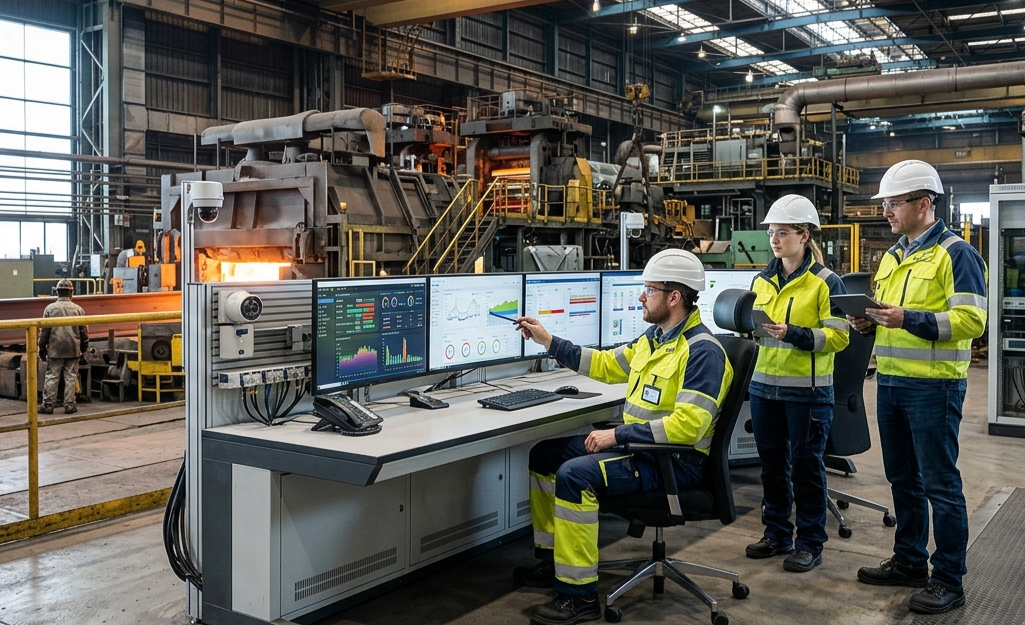
Manufacturing environments often rely on disconnected systems and manual data collection, leading to inefficiencies and limited visibility. This case highlights how a foundry implemented a digital platform to integrate systems, improve data collection, and enhance operational efficiency. The initiative focused on creating a unified data layer across production processes to enable better monitoring and control.
Customer
A manufacturing enterprise operating an iron foundry with complex production processes. The facility includes multiple stages of production and machinery that require coordination and continuous monitoring to ensure efficiency and consistency.
Business Objective
- Improve data visibility across manufacturing operations
- Integrate disconnected systems and machinery into a unified platform
- Enhance production efficiency across processes
- Enable data-driven decision-making for better control
Scope of Services
- Implementation of integrated SCADA platform across production systems
- Data collection and analysis enablement for operational insights
- Integration with existing machinery and legacy systems
- Dashboard and reporting development for visibility
Technology Used
- SCADA + IIoT platform for centralized monitoring
- Real-time data collection systems for production tracking
- Analytics and reporting tools for insights
- Machine integration frameworks for connectivity
Benefits
- Improved operational visibility across production processes
- Better production efficiency through real-time insights
- Reduced manual data handling and errors
- Enhanced decision-making capabilities
Impact
- Increased efficiency and competitiveness in manufacturing operations
- Improved data-driven production processes across the foundry
- Reduced operational inefficiencies and process gaps
Introduction
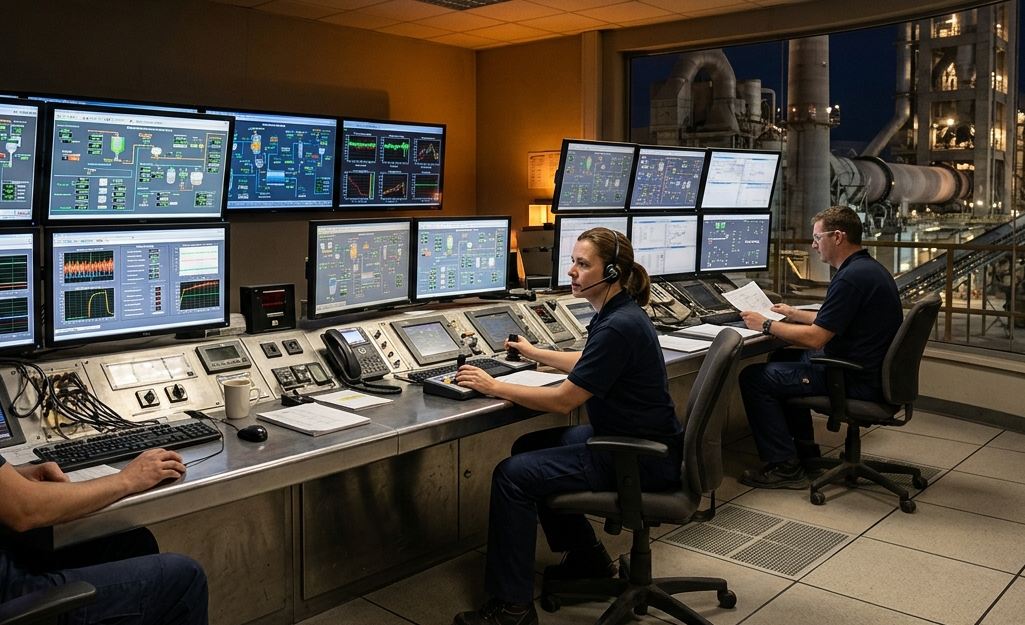
Manufacturing Execution System (MES) case studies highlight how manufacturers overcome fragmented systems, delayed data, and unreliable operational insights. In high-precision industries like steel manufacturing, these challenges directly impact productivity, traceability, and decision-making. This case study explores how a steel manufacturing enterprise implemented a custom MES integrated with enterprise systems to unify operations, improve data accuracy, and enable real-time production visibility.
Customer
A Caribbean and Central America–based steel manufacturing enterprise operating large-scale production facilities.
Business Objective
- Eliminate manual data entry and fragmented systems
- Improve trust and accuracy of operational data
- Enable real-time production visibility
- Achieve end-to-end traceability across manufacturing lifecycle
Scope of Services
- Custom MES platform design and deployment
- Integration with ERP systems (SAP)
- Real-time production data capture and monitoring
- Dashboard and KPI visualization
- Workflow digitization replacing paper and Excel-based systems
Key Challenges Addressed
- Slow and unreliable data impacting decision-making
- Manual processes using Excel, paper, and disconnected tools
- Lack of trust in MES outputs among operators
- Poor traceability across production lifecycle
Benefits
- Unified plant-floor and enterprise data
- Improved operator trust and adoption
- Real-time KPI visibility
- Reduced errors from manual processes
Impact
- End-to-end traceability from raw material to finished goods
- Real-time production insights enabling faster decisions
- Significant reduction in manual intervention and errors
Introduction
Manufacturing operations rely heavily on efficient IT support across infrastructure, applications, and core services. Rising ticket volumes, poor classification, and lack of structured service management create inefficiencies, slow resolution, and increased operational costs. This case study highlights how a cement producer transformed its IT operations by combining self-service enablement with automation and process standardization. By improving service catalogue design, governance, and automation readiness, the organization enhanced efficiency, reduced operational load, and improved service delivery.
Customer
A cement manufacturing enterprise managing large-scale IT infrastructure, applications, and support services across plant operations.
Business Objective
- Reduce rising IT ticket volumes and operational load
- Improve service efficiency through self-service and automation
- Standardize ITSM processes and governance
- Enhance response and resolution times
- Enable scalable and cost-efficient IT operations
Scope of Services
- Ticket baseline and trend analysis across incidents and service requests
- ITSM process alignment (incident vs service request classification)
- Service catalogue design and digitization
- Business priority and IT severity standardization
- Automation opportunity identification across IT domains
- Integration of incident classification, governance, and workflows
Key Insights from Analysis
- 36,107 total tickets analyzed
- 31,255 incidents vs 4,852 service requests (heavy incident skew)
- 2025 ticket volume already reached 75% of 2024 within 5 months
- Incidents surged to 80% of previous year volume
- IT core support demand increased by 10% YoY
Detailed Findings
- Process Issues (47%) → Lack of structured classification and ITSM governance
- Security Issues (18%) → Need for compliance, SOX alignment, and governance
- Hardware Issues (10%) → Gaps in lifecycle and service catalogue alignment
- Software Issues (8%) → Need for digitalization and automation
- Network Issues (7%) → Performance and monitoring gaps
Benefits
- Improved ticket handling through structured ITSM processes
- Reduced manual intervention via self-service enablement
- Better SLA adherence through prioritization and governance
- Improved visibility into IT operations and performance
- Enhanced scalability of IT support operations
Impact
- 20%–24% automation potential identified
- 40% automation opportunity in security-related issues
- Clear segregation of incidents vs service requests
- Reduced dependency on manual support processes
- Improved efficiency across IT infrastructure and applications

Introduction
Manufacturing plants depend on stable IT systems across EUC, SAP, network, and application environments to ensure uninterrupted production. High ticket volumes, manual intervention, and delayed resolution directly impact plant uptime and operational efficiency. This case study highlights how a cement manufacturer transformed its IT operations using AI-driven self-healing and automation. By analyzing ticket patterns, standardizing processes, and enabling automation at scale, the organization significantly improved efficiency, reduced incidents, and enhanced plant uptime.
Customer
A cement manufacturing enterprise managing large-scale plant operations with high IT dependency across EUC, SAP, network, and application environments.
Business Objective
- Reduce IT ticket volumes and operational load
- Improve plant uptime and operational efficiency
- Minimize SLA breaches and turnaround time
- Enable automation-led IT operations
- Improve service quality across IT environments
Scope of Services
- Baseline ticket analysis across EUC, SAP, network, and applications
- Ticket classification and severity alignment
- Service catalogue rationalization and digitization
- Automation opportunity identification and implementation
- AI-driven event correlation and self-healing enablement
- ITSM process standardization and optimization
Key Insights from Analysis
- 11,586 total tickets analyzed (Jan–Aug 2025)
- Ticket volume increased by 33% in recent months
- Majority tickets categorized as Moderate severity (10,771)
- EUC accounted for 6,412 tickets (largest contributor)
- Significant inefficiencies in ticket classification and prioritization
Detailed Findings
- Process Issues (27%) → Misclassification and lack of structured ITSM taxonomy
- EUC Issues (51%) → High dependency on manual support and outdated service catalogue
- SAP Issues (47%) → Need for lifecycle alignment and better business integration
- Hardware Issues (17%) → Gaps in service catalogue and storage/EUC alignment
Benefits
- Improved ticket handling efficiency through automation
- Reduced manual intervention in recurring incidents
- Faster incident prioritization and resolution
- Better SLA adherence across IT services
- Improved visibility and control over IT operations
Impact
- 48.33% overall automation potential identified
- 47% efficiency potential in process-related issues
- 29% efficiency improvement opportunity in EUC
- 19% efficiency opportunity in SAP
- Reduction in manual ticket handling and operational load
- Improved plant uptime and IT service reliability
Introduction
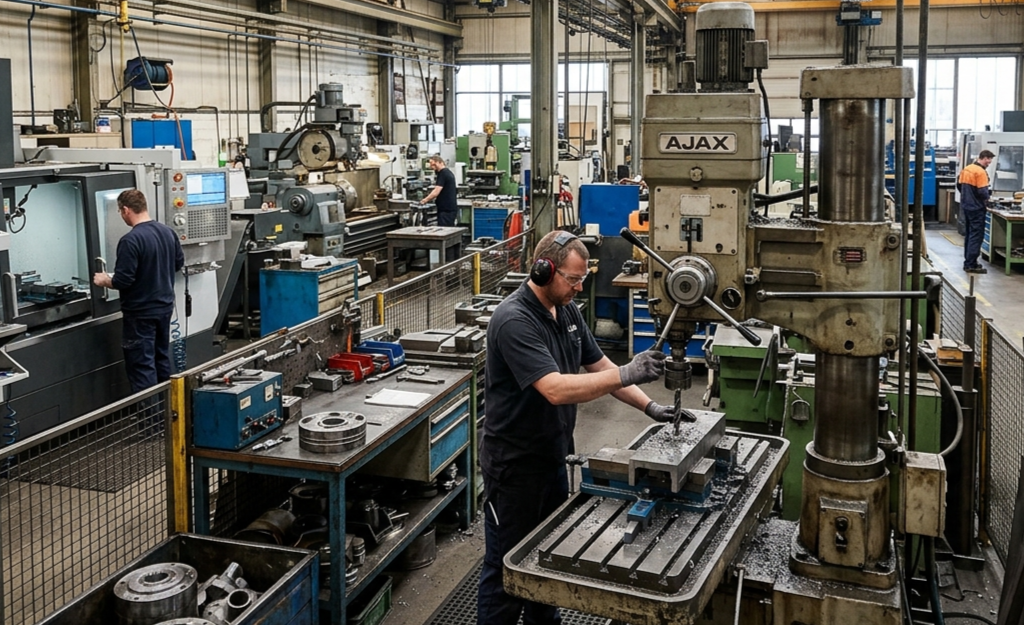
Manufacturing efficiency in discrete operations depends heavily on accurate data capture, classification, and real-time measurement of performance metrics such as OEE (Overall Equipment Effectiveness). However, inconsistent data capture, manual interventions, and unreliable PLC logic often lead to incorrect insights, masking true efficiency and impacting decision-making. This case study highlights how an AI–IIoT–enabled framework was conceptualized to address these challenges. By improving data accuracy, automating classification, and standardizing implementation across plants, the organization aimed to unlock true production visibility and operational efficiency.
Customer
A manufacturing organization with operations across forging, drilling, and injection moulding processes, facing challenges in efficiency measurement, data capture, and workforce usability.
Business Objective
- Improve accuracy of downtime vs. changeover classification
- Enable reliable rejection and rework data capture
- Enhance production efficiency measurement beyond planned vs. achieved metrics
- Strengthen PLC/IoT-based data capture for manual operations
- Standardize IoT implementation across plants
Scope of Services
- Design of AI–IIoT–enabled framework for manufacturing operations
- Automation of downtime and changeover classification
- Enablement of conditional rejection and rework data handling
- Implementation of advanced efficiency metrics beyond basic production tracking
- Enhancement of PLC/IoT logic with anomaly detection
- Standardization of IoT data capture across multiple plants
Key Challenges Addressed
- Misclassification of downtime vs. changeover due to flawed timestamp logic
- Delayed and inaccurate rejection/rework data entry
- Misleading efficiency metrics masking real production performance
- Inconsistent pulse capture in manual drilling operations
- Fragmented IoT adoption across different manufacturing units
Benefits
- Accurate classification of production events and improved OEE visibility
- Reduced dependency on manual data entry and intervention
- Improved quality data accuracy for rejection and rework analysis
- Better alignment of efficiency metrics with real production performance
- Standardized and scalable IoT implementation across plants
Impact
- Improved production accuracy and operational visibility
- Enhanced workforce usability and reduced manual intervention
- Better decision-making through reliable efficiency metrics
- Foundation for scalable AI–IIoT adoption in discrete manufacturing environments
Introduction
ITSM optimization is critical for manufacturing organizations handling high volumes of IT service requests across complex environments. Large-scale cement operations often experience rising ticket volumes across infrastructure, applications, and security systems, leading to inefficiencies and increased operational load. This case study highlights how a cement producer improved IT service efficiency by implementing structured ITSM optimization and ticket intelligence. By analyzing ticket patterns, enabling self-service, and standardizing workflows, the organization built a strong foundation for scalable automation and improved service delivery.
Customer
A cement producer operating large-scale manufacturing facilities with high volumes of IT service requests across infrastructure, applications, and support environments.
Business Objective
- Reduce IT ticket volumes and operational load
- Improve efficiency through self-service and automation readiness
- Optimize incident vs service request handling
- Enhance response times and service availability
- Improve cost efficiency across IT operations
Scope of Services
- Baseline analysis of IT tickets and service requests
- Ticket classification and automation readiness assessment
- Service catalogue design and digitization
- Process alignment for ITSM workflows and prioritization
- Identification of automation and self-service opportunities
- KPI-driven optimization of IT service operations
Benefits
- Improved efficiency in ticket handling and service delivery
- Reduced manual intervention in repetitive issues
- Better visibility into ticket patterns and root causes
- Clear segregation of incidents and service requests
- Improved prioritization aligned with business KPIs
Impact
- 36,107 tickets analyzed across environments
- Identification of 20–24% automation potential
- 40% automation efficiency potential in security issues
- 47% of tickets attributed to process-related issues
- Reduced dependency on manual ticket resolution
Introduction
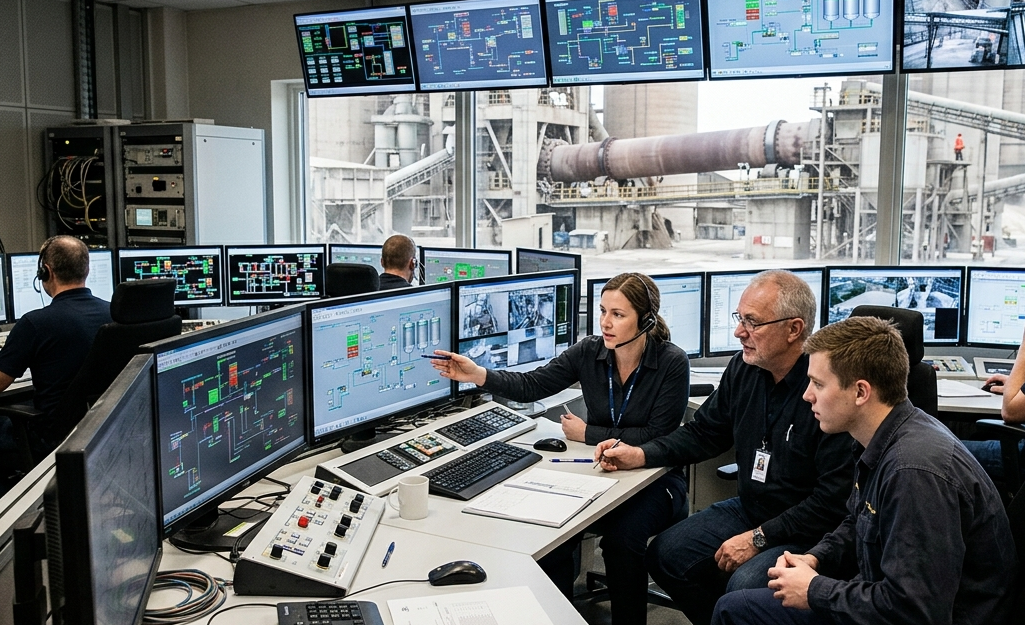
AI-driven self-healing IT operations enable manufacturing organizations to reduce downtime, improve service efficiency, and optimize IT support at scale. A cement manufacturing company operating large-scale plants faced high volumes of IT service tickets across EUC, SAP, network, and application environments. Manual handling led to delays, SLA breaches, and operational inefficiencies that directly impacted plant uptime. By implementing self-healing IT operations and ITSM automation, the organization transformed its IT support model, reduced manual effort, and improved service reliability across critical systems.
Customer
A cement manufacturing company managing large-scale plant operations with high IT service ticket volumes across multiple technology environments.
Business Objective
- Reduce IT incidents and SLA breaches
- Improve turnaround time (TAT) for issue resolution
- Minimize manual effort in IT support operations
- Enhance plant uptime and operational efficiency
- Enable automation-driven IT service management
Scope of Services
- ITSM process alignment and event categorization
- Ticket classification for incidents and service requests
- Automation across EUC, SAP, applications, and network
- Proactive monitoring and automated ticket handling
- Service catalogue digitization and rationalization
- Identification and implementation of automation opportunities
Benefits
- Reduced turnaround time and SLA impact
- Improved service quality through automated resolution
- Lower manual dependency and fewer operational errors
- Faster incident prioritization and response
- Improved efficiency across IT support functions
Impact
- 11,586 tickets analyzed (Jan–Aug 2025)
- 1.32M+ transactions automated annually
- 97,000+ FTE hours saved annually
- 49 bots deployed in production
- 16 processes automated
- 48.33% automation potential identified
- Significant reduction in EUC, SAP, and process-related incidents
Introduction
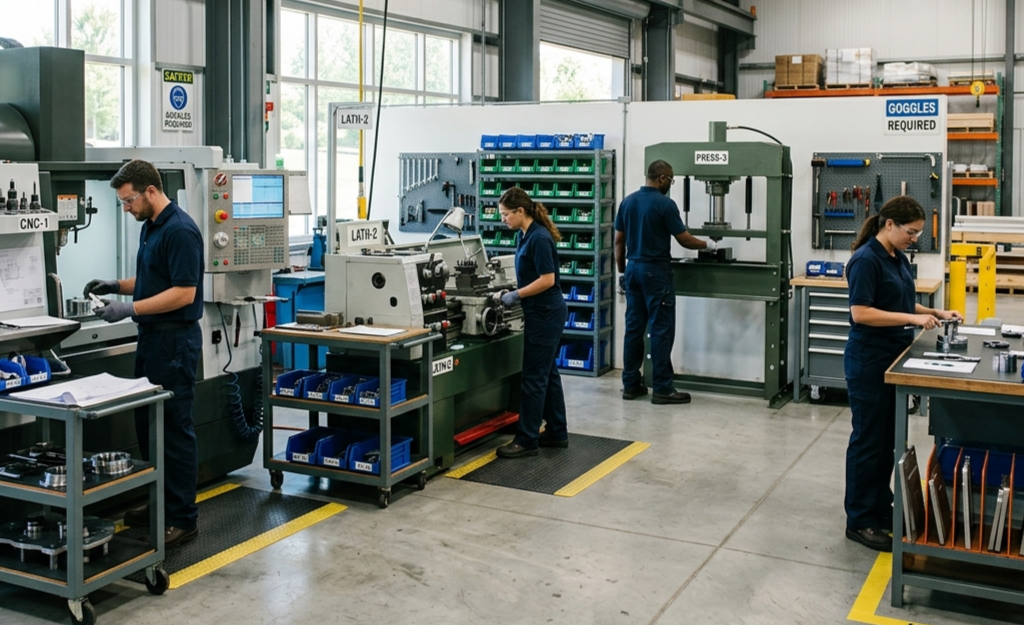
Workforce automation is critical for industrial organizations facing skilled labor shortages and increasing dependency on specialized resources. Manual processes and complex workflows often require highly skilled personnel, creating bottlenecks and increasing operational risks. This case study highlights how an industrial organization improved productivity and operational continuity by implementing digital operational platforms and automation-enabled workflows. By simplifying processes and reducing reliance on specialized labor, the organization ensured consistent performance and scalable operations despite workforce constraints.
Customer
An industrial organization facing shortages of skilled labor and increasing dependency on specialized resources across its operations.
Business Objective
- Maintain productivity despite workforce shortages
- Reduce dependency on specialized labor
- Ensure operational continuity
- Simplify complex processes
- Improve workforce efficiency and output
Scope of Services
- Implementation of digital operational platforms
- Enablement of automation-driven workflows
- Simplification of operational processes
- Standardization of workflows across functions
- Continuous optimization of workforce efficiency
Benefits of Workforce Automation
- Reduced reliance on highly specialized resources
- Improved workforce efficiency and productivity
- Simplified and standardized operations
- Reduced operational complexity
- Better scalability of workforce processes
Impact
- Lower training and onboarding costs
- Reduced operational errors
- Improved overall productivity
- Enhanced operational continuity

Introduction
Safety and compliance automation is critical for industrial organizations operating in regulated environments where adherence to standards directly impacts workforce safety and business continuity. Manual compliance processes often lead to delays, audit challenges, and increased risk of incidents or penalties. This case study highlights how an industrial organization improved safety governance and compliance efficiency by implementing automated workflows and digital monitoring systems. By digitizing safety processes and enabling real-time tracking, the organization reduced risk exposure and strengthened its compliance posture across operations.
Customer
An industrial organization operating in highly regulated environments with strict safety and compliance requirements across its operations.
Business Objective
- Minimize safety incidents and operational risks
- Avoid regulatory penalties and non-compliance
- Protect organizational reputation
- Improve compliance tracking and reporting
- Enable standardized safety processes across operations
Scope of Services
- Implementation of compliance reporting automation
- Enablement of digital safety workflows and checklists
- Regulatory tracking and monitoring system deployment
- Integration of safety reporting across operations
- Optimization of audit and compliance processes
Benefits of Safety and Compliance Automation
- Improved adherence to safety and regulatory standards
- Streamlined compliance reporting processes
- Reduced dependency on manual audits
- Better visibility into safety performance
- Faster identification of compliance gaps
Impact
- Lower accident rates across operations
- Reduced regulatory fines and penalties
- Improved overall compliance posture

Introduction
Supply chain visibility is critical for manufacturing enterprises that rely on the timely availability of spare parts to maintain project continuity and operational efficiency. Lack of real-time visibility into inventory and supplier coordination often leads to delays, increased costs, and project overruns. This case study highlights how a manufacturing enterprise improved supply chain reliability by implementing integrated visibility tools and real-time tracking systems. By enabling better coordination with suppliers and improving inventory insights, the organization reduced delays and strengthened overall delivery performance.
Customer
A manufacturing enterprise dependent on the timely availability of spare parts and equipment across multiple projects and operational environments.
Business Objective
- Eliminate delays caused by spare-part shortages
- Improve supply chain reliability and coordination
- Enhance visibility into inventory and vendor operations
- Reduce project overruns and associated costs
- Enable proactive issue identification and resolution
Scope of Services
- Integration of supply chain visibility tools
- Enablement of vendor management systems
- Implementation of real-time tracking dashboards
- Integration with modular ERP components
- Optimization of supply chain workflows and coordination
Benefits
- Improved coordination with suppliers and vendors
- Reduced delays in spare-part availability
- Proactive identification of supply chain issues
- Better visibility into inventory and logistics status
- Improved planning and execution across projects
Impact
- Lower project overruns
- Reduced financial losses due to delays
- Improved delivery timelines and operational efficiency