Introduction
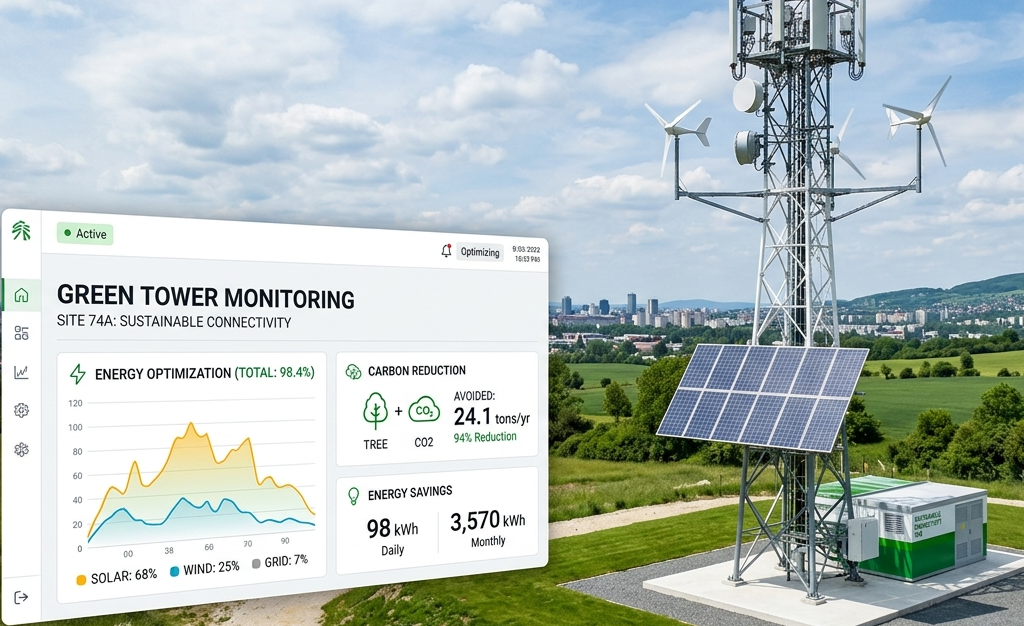
Telecom ESG transformation is becoming critical as operators face increasing pressure to reduce carbon emissions, optimize energy consumption, and align with sustainability regulations. A leading European telecom operator undertook a large-scale ESG transformation to build a future-ready, sustainable business model while maintaining operational efficiency.
Customer
A leading European telecom operator providing connectivity and digital services across global markets, managing large-scale network infrastructure with high energy consumption and strict regulatory requirements around sustainability.
Business Objective
- Achieve net-zero emission targets
- Reduce energy consumption across network infrastructure
- Align operations with ESG regulations
- Enable sustainable growth without impacting service quality
Scope of Services
- ESG strategy design and roadmap development
- Energy optimization across telecom infrastructure
- Data-driven monitoring of emissions and energy usage
- Integration of sustainability metrics into operations
- Governance model for ESG tracking and reporting
Key Challenges Addressed
- High energy consumption across telecom networks
- Lack of real-time visibility into emissions
- Regulatory pressure for sustainability compliance
- Balancing cost optimization with ESG goals
Benefits
- Improved energy efficiency across operations
- Better visibility into sustainability metrics
- Reduced environmental impact
- Alignment with global ESG standards
Impact
- 45% emission reduction target achieved
- Strong progress toward net-zero goals
- Improved operational efficiency alongside sustainability
- Enhanced brand positioning as a sustainable telecom provider

Introduction
Telecom operations transformation is essential for operators dealing with rising costs, fragmented processes, and increasing customer expectations. A leading Asia-Pacific telecom operator transformed its operations to improve efficiency, reduce costs, and enable scalable service delivery.
Customer
A leading Asia-Pacific telecom operator offering mobile, broadband, and digital media services, operating across multiple markets with complex service delivery models and high operational costs.
Business Objective
- Reduce operational costs
- Improve workforce productivity
- Standardize processes across operations
- Enhance service delivery efficiency
Scope of Services
- End-to-end operations assessment
- Workforce and process optimization
- Implementation of standardized operating model
- Performance tracking and KPI alignment
- Automation-led process improvements
Key Challenges Addressed
- High operational costs
- Inefficient workforce utilization
- Fragmented processes across business units
- Lack of standardized KPIs
Benefits of Telecom Operations Transformation
- Streamlined operations across departments
- Improved workforce efficiency
- Better cost control and visibility
- Enhanced service delivery performance
Impact
- 70% productivity improvement
- 15% cost reduction achieved
- Faster decision-making and execution
- Scalable operating model for growth

Introduction
Product portfolio transformation is critical for global software companies managing multiple acquired products and fragmented offerings. Disconnected product lines often lead to inconsistent customer experiences, slower innovation cycles, and missed revenue opportunities. This case study highlights how a global software product company restructured its portfolio, modernized products with cloud-native and AI capabilities, and established a scalable innovation model. By aligning product strategy with customer needs and market opportunities, the organization improved monetization, accelerated releases, and strengthened its competitive positioning.
Customer
A global software product company with multiple acquired products, operating across diverse geographies and customer segments.
Business Objective
- Consolidate and rationalize fragmented product portfolio
- Monetize existing IP and software assets
- Accelerate product innovation and time-to-market
- Improve customer retention and engagement
- Enable scalable product engineering and delivery
Scope of Services
- IP acquisition and portfolio restructuring
- Product modernization using cloud-native architectures
- Infusion of AI/ML capabilities into product offerings
- Product roadmap definition and execution
- Customer success and lifecycle enablement
- Channel and partner ecosystem enablement
- API and integration framework standardization
Benefits
- Increased monetization of existing product assets
- Expanded solution portfolio and revenue streams
- Improved customer retention and renewal rates
- Faster innovation cycles and release velocity
- Scalable product engineering and delivery model
Impact
- Clear and scalable product roadmap established
- Improved customer engagement and retention
- Faster time-to-market for new product releases
- Stronger cross-sell and up-sell capabilities
- Sustainable innovation and engineering foundation

Introduction
Global operating model transformation enables enterprises to standardize processes, improve governance, and reduce operational costs across complex, multi-region environments. Organizations operating in regulated industries often face fragmented processes, inconsistent compliance practices, and high run-the-business (RTB) costs. This case study highlights how a global enterprise transformed its IT and operations landscape by implementing a standardized, automation-led operating model. By combining AI-driven automation, process rationalization, and strong governance frameworks, the organization achieved scalable efficiency, compliance excellence, and financial optimization.
Customer
A global enterprise operating across multiple regions with a complex IT and operations landscape and strict regulatory and compliance requirements.
Business Objective
- Transform global operating model across IT and operations
- Standardize processes across portfolios and geographies
- Improve operational efficiency and governance
- Reduce RTB costs at scale
- Strengthen audit and compliance posture
Scope of Services
- Global IT and operations delivery transformation
- Process standardization and SOP rationalization
- Setup of Automation Center of Excellence (CoE)
- Implementation of AI-driven operational automation
- Risk, audit, and compliance governance frameworks
- Global delivery hub and proximity support enablement
Benefits
- Enterprise-wide standardized processes
- Strong and consistent compliance posture
- Improved agility and faster transformation cycles
- Predictable and scalable operating model
- Reduced dependency on external vendors
Impact
- Reduction from 395 SOPs to 25 standardized processes
- 100% green audit compliance sustained over multiple years
- Zero upfront financial commitment for transformation
- Multi-market automation rollout across regions
- Improved operational consistency and governance
Introduction
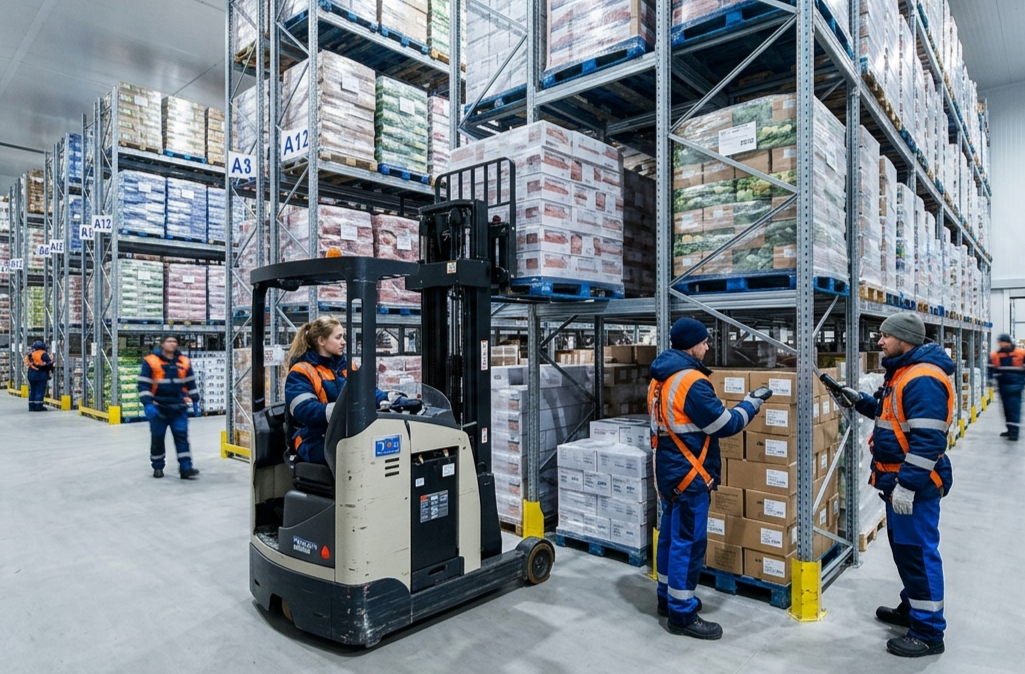
Cloud transformation is critical for cold chain logistics providers where infrastructure reliability directly impacts time-sensitive supply chains such as food and pharmaceuticals. Legacy data centers often limit scalability, increase operational risk, and hinder responsiveness to dynamic demand. This case study highlights how a global cold chain logistics provider adopted a cloud-first strategy to modernize its infrastructure. By leveraging hybrid cloud architecture and automation-driven migration, the organization improved resilience, ensured near-zero disruption, and created a scalable foundation for future digital operations.
Customer
A global cold chain logistics provider supporting temperature-controlled logistics, warehousing, and distribution for food and pharmaceutical supply chains.
Business Objective
- Enable a cloud-first IT strategy
- Improve infrastructure resilience and scalability
- Reduce dependency on legacy data centers
- Ensure zero disruption to critical operations
- Support future digital and operational growth
Scope of Services
- Migration of production and DR workloads to Microsoft Azure
- Implementation of hybrid cloud operating model (MCOD)
- Extension of cloud infrastructure across EMEA and APAC regions
- Data center consolidation and migration
- Infrastructure automation and digital twin modeling
- Testing, deployment, and stabilization of cloud environments
Benefits
- Improved infrastructure reliability and resilience
- Faster response to operational and business needs
- Standardized global infrastructure operations
- Reduced operational risk for time-sensitive logistics
- Scalable foundation for digital transformation
Impact
- 70% of workloads migrated to Azure
- 97% virtualization achieved
- Near-zero downtime during migration
- Near-zero data loss across systems
- Improved operational continuity across global operations

Introduction
Digital experience transformation is redefining how public transportation authorities engage with citizens and travelers. Modern mobility ecosystems require seamless, intuitive, and accessible experiences across airports, transit hubs, and digital platforms. Traditional infrastructure-focused approaches often fail to meet evolving expectations of convenience, personalization, and inclusivity. This case study highlights how a regional transportation authority transformed its ecosystem by integrating human-centered design, immersive technologies, and digital innovation. By leveraging AR/VR, mobile platforms, and multi-cloud infrastructure, the organization created future-ready transportation experiences while optimizing costs and accelerating innovation.
Customer
A leading Australian regional transportation authority responsible for managing metropolitan transport infrastructure, including airports, train stations, and multimodal transit systems.
Business Objective
- Design future-ready transportation assets aligned with long-term mobility vision
- Deliver accessible and world-class traveler experiences
- Position transport infrastructure as experience-driven destinations
- Reduce total cost of ownership through outsourcing and cloud adoption
- Accelerate innovation through incubation and digital experimentation
Scope of Services
- Human-centered design for airport and transit experiences
- Development of citizen-facing mobile applications
- AR/VR-based experience prototyping and visualization
- Strategic outsourcing of applications and infrastructure
- Multi-cloud enablement and migration
- Innovation incubation through rapid prototyping and validation
Benefits
- Improved citizen and traveler engagement
- Enhanced accessibility and inclusivity across services
- Reduced long-term IT and operational costs
- Faster innovation cycles through incubation approach
- Scalable and flexible digital infrastructure
Impact
- Delivery of immersive AR/VR-based experience designs
- Enablement of next-generation traveler experiences
- Foundation for scalable and future-ready transport systems
- Strengthened positioning of transport infrastructure as destinations
Introduction
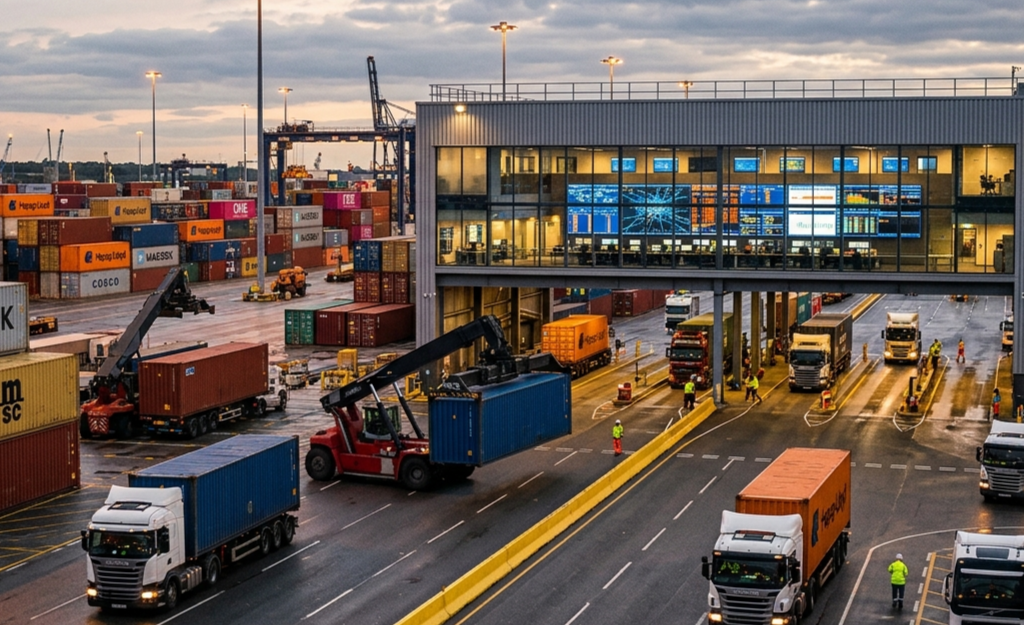
Digital logistics platform transformation enables enterprises to modernize legacy systems, reduce operational costs, and improve visibility across complex supply chain operations. Large logistics organizations often struggle with fragmented application landscapes, high run-the-business (RTB) costs, and limited end-to-end shipment visibility. This case study highlights how a global logistics company transformed its operations by building a next-generation digital logistics platform. By rationalizing legacy systems, standardizing processes, and integrating application and infrastructure support, the organization achieved significant cost savings, improved efficiency, and enhanced revenue realization.
Customer
A global supply chain services and logistics company headquartered in the United States, managing enterprise-scale freight forwarding operations and a large application ecosystem.
Business Objective
- Reduce RTB costs across IT and operations
- Improve end-to-end shipment visibility
- Standardize and re-engineer business processes
- Reduce incident volumes and support dependency
- Establish integrated SLAs and KPIs across operations
Scope of Services
- Transformation of core freight forwarding systems
- Design and development of a next-generation digital platform
- Rationalization of 170+ legacy applications
- Creation of a unified enterprise data layer (single source of truth)
- Application support services across 115 applications and 25 technologies
- Infrastructure support and enterprise help desk operations
- Stabilization and automation of support processes
- SLA and KPI definition and implementation
Benefits
- Significant reduction in RTB costs
- Faster customer onboarding through standardized workflows
- Improved shipment visibility across logistics operations
- Reduced complexity through platform consolidation
- Enhanced IT service reliability and predictability
Impact
- $100M reduction in RTB costs
- 60% reduction in customer onboarding time
- 11% increase in revenue realization
- 20%+ reduction in ticket volumes
- Improved operational efficiency across applications and infrastructure

Introduction
Enterprise BI governance is essential for organizations scaling analytics adoption while maintaining control, security, and cost efficiency. Large enterprises often face fragmented BI ecosystems, duplicate datasets, and lack of standardized reporting practices. This case study highlights how a leading freight rail transportation company established a structured Power BI governance model to enable enterprise-wide adoption. By implementing standardized data models, governance frameworks, and usage monitoring, the organization achieved scalable, secure, and cost-efficient analytics across business functions.
Customer
CSX Transportation, one of the largest freight rail transportation companies in North America, with enterprise-scale analytics and reporting users across multiple business units.
Business Objective
- Enable controlled and scalable enterprise-wide Power BI adoption
- Rationalize and migrate legacy BI assets
- Establish governance for secure self-service analytics
- Optimize platform usage and reduce BI total cost of ownership
- Improve consistency and reliability of reporting
Scope of Services
- Design and setup of Power BI Governance COE
- Definition of standards, policies, and governance procedures
- Role-based responsibility model for BI ownership
- Semantic modeling guidelines and certified dataset framework
- Governance processes for report lifecycle management
- Usage monitoring and capacity planning framework
- Workspace management, audit, and compliance enablement
- Execution roadmap for enterprise rollout
Benefits
- Structured and secure adoption of Power BI
- Improved self-service BI with governance control
- Reduced duplication of reports and datasets
- Better visibility into platform usage and performance
- Optimized software and operational costs
Impact
- Standardized semantic models and certified datasets
- Improved BI adoption through governed self-service
- Optimized Power BI capacity utilization
- Centralized workspace governance with audit readiness
- Clear accountability model for BI ownership

Introduction
Blockchain interoperability platforms enable logistics enterprises to collaborate across distributed ecosystems, ensuring secure, real-time data exchange between multiple stakeholders. Traditional logistics networks often operate in silos, limiting visibility and slowing down coordination across partners. This case study highlights how a global logistics enterprise implemented a multi-protocol blockchain platform to enable seamless interoperability across networks. By leveraging distributed ledger technology and high-performance service connectivity, the organization improved transaction efficiency, enhanced collaboration, and built a scalable digital ecosystem.
Customer
An EU-based global logistics enterprise operating multi-party logistics networks across regions and partners.
Business Objective
- Enable collaboration across multiple blockchain networks
- Support multi-protocol interoperability
- Achieve real-time data exchange across stakeholders
- Improve performance of logistics transactions
- Build a scalable and secure ecosystem
Scope of Services
- Design of blockchain platform architecture
- Development of interoperability framework across protocols
- Implementation of distributed ledger infrastructure
- gRPC-based service connectivity enablement
- Network operations, monitoring, and governance
- Enablement of logistics use cases on blockchain
Benefits
- Seamless interoperability across logistics networks
- High-performance transaction processing
- Improved transparency and traceability
- Enhanced collaboration across ecosystem partners
- Scalable platform for future network expansion
Impact
- 67% improvement in request fulfillment time
- Scalable collaboration across multi-party logistics ecosystem
- Faster and more reliable transaction processing
Introduction
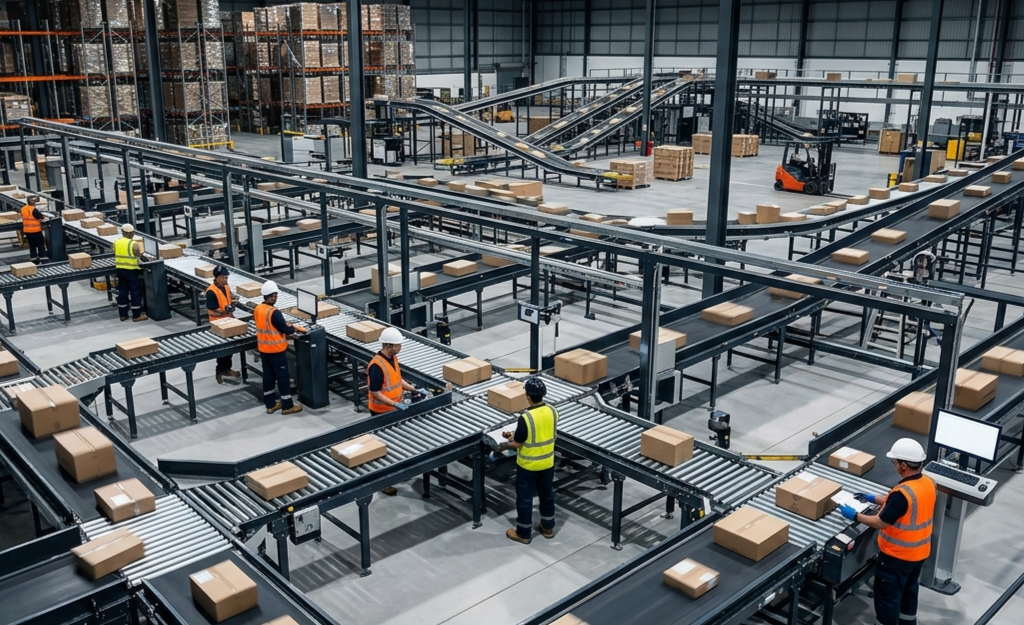
Event-driven parcel digitization enables logistics providers to gain real-time visibility, improve operational efficiency, and enhance customer experience across the delivery lifecycle. Traditional parcel operations often lack synchronization between sorting, routing, and delivery systems, limiting agility and responsiveness. This case study highlights how a leading postal and courier services provider transformed its operations by implementing an event-driven architecture. By digitizing the end-to-end parcel lifecycle and enabling real-time orchestration, the organization improved efficiency, reduced incidents, and enhanced customer engagement.
Customer
A British multinational postal and courier services provider operating large-scale parcel sorting and last-mile delivery networks.
Business Objective
- Digitize the end-to-end parcel lifecycle
- Enable in-flight delivery changes
- Improve customer onboarding and retention
- Enhance operational visibility and control
- Compete with digital-first logistics providers
Scope of Services
- Integration across parcel, sortation, and route planning systems
- Implementation of event-driven architecture for parcel tracking
- Automated alerts and task orchestration
- PDA integration for real-time field updates
- Enablement of operational and customer visibility
Benefits
- 60% reduction in EPS-related incidents
- Automated operational interventions
- Faster and more accurate parcel processing
- Improved synchronization across logistics systems
- Enhanced visibility across delivery lifecycle
Impact
- 100% digitization of parcel lifecycle
- Improved decision-making at sortation hubs
- Enhanced customer experience through real-time tracking