
Introduction
Banking institutions operate in high-availability environments where system downtime and delayed incident resolution directly impact customer experience and business continuity. High incident volumes during peak business hours, duplicate tickets, and manual intervention reduce operational efficiency and increase risk. This case study highlights how a banking institution improved resilience through automated healing, intelligent ticket analysis, and service recovery mechanisms. By enabling event correlation, automation, and proactive monitoring, the organization significantly enhanced system stability and operational efficiency.
Customer
A large-scale banking institution managing high-volume IT incidents across application and infrastructure environments with 24×7 support requirements.
Business Objective
- Improve IT resilience through automated healing and recovery
- Reduce high incident volumes during peak business hours
- Minimize SLA violations and improve response times
- Eliminate duplicate and redundant tickets
- Shift from reactive to proactive IT operations
Scope of Services
- Heat map–based incident analysis across time and business hours
- Identification of peak-hour incident patterns and workload spikes
- Ticket classification and automation probability analysis
- Detection of duplicate and parent-child ticket patterns
- Design and implementation of automated healing workflows
- Enablement of event correlation and alert suppression
- Establishment of 24×7 Integrated Command Centre
Key Insights from Analysis
- 17,600+ incidents analyzed
- 75% incidents occur during business hours (9 AM–6 PM)
- High-volume incident drivers:
- Password issues (22%)
- Account issues (19%)
- Connectivity issues (17%)
- Configuration issues (16%)
- Significant duplication and parent-child ticket patterns observed
Detailed Findings
- High dependency on manual ticket logging and resolution
- Lack of event correlation leading to duplicate tickets (~400–500 cases)
- Inefficient prioritization affecting response times
- Repetitive issues (password, access, configuration) ideal for automation
- High operational load during peak hours impacting service quality
Benefits
- Reduced duplicate and redundant ticket volumes
- Faster incident detection and response
- Improved SLA adherence and service reliability
- Better prioritization of critical incidents (P1/P2)
- Enhanced operational efficiency and workload management
Impact
- 30.7% automated resolution achieved
- Up to 75% automation potential for password-related issues
- Significant reduction in manual intervention
- Improved service recovery and incident handling speed
- Strong foundation for resilient, scalable IT operations
Introduction
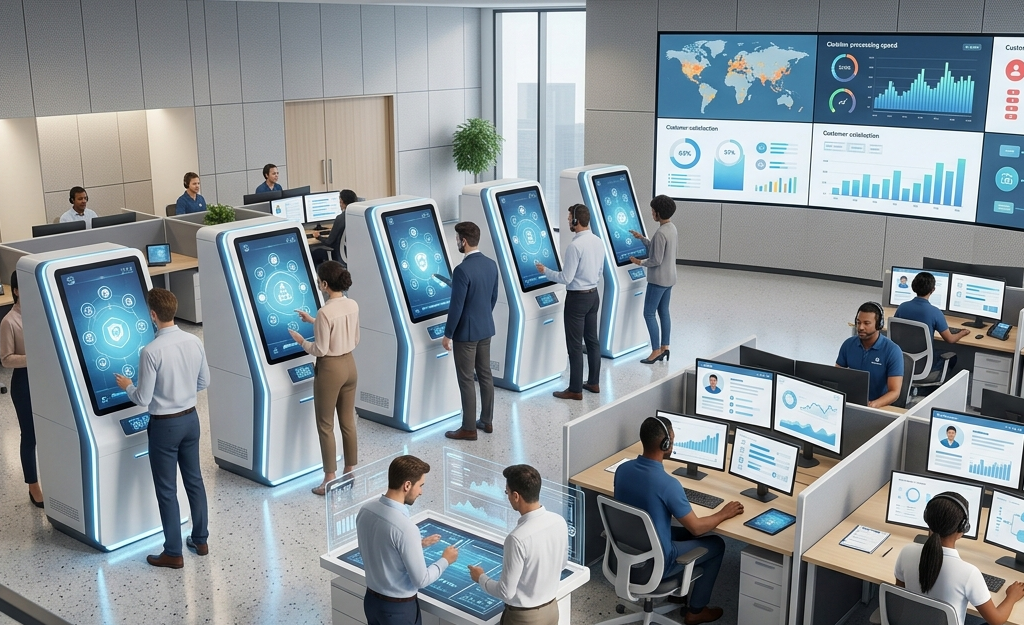
Insurance providers operate in highly customer-centric environments where service speed, accessibility, and reliability directly impact customer trust. High volumes of support tickets, SLA violations, and manual intervention often lead to delays and poor customer experience. This case study highlights how an insurance provider transformed its support operations through self-service enablement, automation, and workload optimization. By restructuring IT support processes and introducing intelligent automation, the organization improved service efficiency, reduced operational effort, and enhanced customer trust.
Customer
An insurance provider managing high-volume application support operations across multiple channels, including web, voice, email, and automated alerts.
Business Objective
- Improve customer trust through faster and seamless support
- Reduce SLA violations in response and resolution
- Optimize support workload across L1, L2, and L3 teams
- Enable self-service and automation-led support
- Reduce dependency on manual intervention
Scope of Services
- Ticket data analysis across time, volume, and channels
- Incident vs service request classification and optimization
- SLA compliance analysis (response and resolution)
- Skill-based workload and demand analysis
- Identification of automation and self-service opportunities
- Implementation of BOT, RPA, and auto-healing use cases
- Enablement of self-help and self-service platforms
Key Insights from Analysis
- 3,100 total tickets analyzed
- ~96% tickets converted to incidents (2,988) → poor classification
- SLA violations:
- 527 response breaches
- 589 resolution breaches
- Majority tickets originated from web (2,289)
- High dependency on manual support across channels
Workload & Skill Observations
- Operations contributed 45% of total ticket volume
- Finance & Supply Chain accounted for 44%
- Top skills in demand:
- Oracle EBS (44.9%)
- .Net/C# (20.7%)
- Oracle 4GL (19.7%)
- Strong opportunity for L3 → L2 → L1 shift-left model
Detailed Findings
- Poor ticket classification between incidents and service requests
- High volume of P3 tickets (78%) indicating inefficiency in prioritization
- SLA response violations higher than resolution → process gaps
- Lack of structured service catalogue and self-service adoption
- Repetitive issues (data updates, training, access issues) suitable for automation
Benefits
- Reduced manual ticket handling through self-service
- Improved SLA compliance and response efficiency
- Better workload distribution across support levels
- Enhanced visibility into support operations and performance
- Improved customer experience and trust
Impact
- 48.11% of tickets identified for automation/self-service impact
- 37% overall effort optimization achieved
- Significant reduction in repetitive support workload
- Improved SLA adherence and faster response times
- Enhanced customer satisfaction through seamless support experience
Introduction
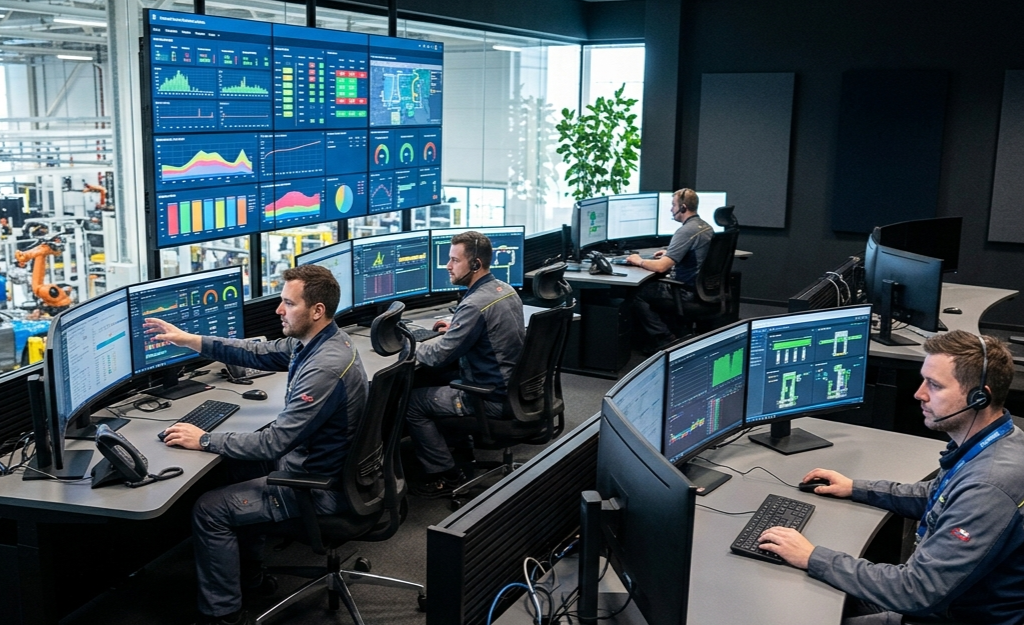
Automotive enterprises operate complex IT environments across datacenters, SAP, MES, and enterprise applications. High volumes of manually logged incidents, false alerts, and delayed resolution impact operational efficiency and system reliability. This case study highlights how an automotive leader transformed its IT operations using predictive self-healing and automation. By enabling event correlation, alert suppression, and automated resolution, the organization significantly reduced manual intervention, improved system stability, and enhanced operational efficiency.
Customer
A leading automotive enterprise managing large-scale datacenter operations, enterprise applications, and manufacturing systems across global operations.
Business Objective
- Reduce manual ticket logging and operational overhead
- Minimize false alerts and improve monitoring accuracy
- Reduce P1/P2 incidents impacting critical systems
- Enable predictive and automated incident resolution
- Improve IT operations efficiency and reliability
Scope of Services
- Datacenter and IT incident pattern analysis
- Event correlation and alert suppression design
- Automation of service requests and incident resolution
- Predictive monitoring across SAP, MES, and infrastructure
- Self-healing workflow enablement across IT environments
Key Insights from Analysis
- 51%+ issues logged manually → major inefficiency
- False positives increased up to 19%
- P1/P2 incidents driven by:
- SAP security issues
- MES engine failures
- SAP HCM downtime
- Backup failures
- Automation potential identified across service requests and incidents
Detailed Findings
- High dependency on manual incident logging and handling
- Lack of effective alert correlation leading to noise
- Inefficient prioritization causing delays in critical incidents
- High recurrence of issues across SAP, MES, and infrastructure
- Significant automation gaps across EUC, DC, and network
Benefits
- Reduced manual intervention through automation
- Improved monitoring accuracy with alert suppression
- Faster incident detection and resolution
- Improved system stability and uptime
- Enhanced efficiency across IT operations
Impact
- 44% of processes identified as automatable
- 40–50% automation potential across service requests and incidents
- Significant reduction in false alerts and operational noise
- Reduced P1/P2 incidents across critical systems
- Improved operational efficiency and service reliability

Introduction
Manufacturing operations rely heavily on efficient IT support across infrastructure, applications, and core services. Rising ticket volumes, poor classification, and lack of structured service management create inefficiencies, slow resolution, and increased operational costs. This case study highlights how a cement producer transformed its IT operations by combining self-service enablement with automation and process standardization. By improving service catalogue design, governance, and automation readiness, the organization enhanced efficiency, reduced operational load, and improved service delivery.
Customer
A cement manufacturing enterprise managing large-scale IT infrastructure, applications, and support services across plant operations.
Business Objective
- Reduce rising IT ticket volumes and operational load
- Improve service efficiency through self-service and automation
- Standardize ITSM processes and governance
- Enhance response and resolution times
- Enable scalable and cost-efficient IT operations
Scope of Services
- Ticket baseline and trend analysis across incidents and service requests
- ITSM process alignment (incident vs service request classification)
- Service catalogue design and digitization
- Business priority and IT severity standardization
- Automation opportunity identification across IT domains
- Integration of incident classification, governance, and workflows
Key Insights from Analysis
- 36,107 total tickets analyzed
- 31,255 incidents vs 4,852 service requests (heavy incident skew)
- 2025 ticket volume already reached 75% of 2024 within 5 months
- Incidents surged to 80% of previous year volume
- IT core support demand increased by 10% YoY
Detailed Findings
- Process Issues (47%) → Lack of structured classification and ITSM governance
- Security Issues (18%) → Need for compliance, SOX alignment, and governance
- Hardware Issues (10%) → Gaps in lifecycle and service catalogue alignment
- Software Issues (8%) → Need for digitalization and automation
- Network Issues (7%) → Performance and monitoring gaps
Benefits
- Improved ticket handling through structured ITSM processes
- Reduced manual intervention via self-service enablement
- Better SLA adherence through prioritization and governance
- Improved visibility into IT operations and performance
- Enhanced scalability of IT support operations
Impact
- 20%–24% automation potential identified
- 40% automation opportunity in security-related issues
- Clear segregation of incidents vs service requests
- Reduced dependency on manual support processes
- Improved efficiency across IT infrastructure and applications

Introduction
Manufacturing plants depend on stable IT systems across EUC, SAP, network, and application environments to ensure uninterrupted production. High ticket volumes, manual intervention, and delayed resolution directly impact plant uptime and operational efficiency. This case study highlights how a cement manufacturer transformed its IT operations using AI-driven self-healing and automation. By analyzing ticket patterns, standardizing processes, and enabling automation at scale, the organization significantly improved efficiency, reduced incidents, and enhanced plant uptime.
Customer
A cement manufacturing enterprise managing large-scale plant operations with high IT dependency across EUC, SAP, network, and application environments.
Business Objective
- Reduce IT ticket volumes and operational load
- Improve plant uptime and operational efficiency
- Minimize SLA breaches and turnaround time
- Enable automation-led IT operations
- Improve service quality across IT environments
Scope of Services
- Baseline ticket analysis across EUC, SAP, network, and applications
- Ticket classification and severity alignment
- Service catalogue rationalization and digitization
- Automation opportunity identification and implementation
- AI-driven event correlation and self-healing enablement
- ITSM process standardization and optimization
Key Insights from Analysis
- 11,586 total tickets analyzed (Jan–Aug 2025)
- Ticket volume increased by 33% in recent months
- Majority tickets categorized as Moderate severity (10,771)
- EUC accounted for 6,412 tickets (largest contributor)
- Significant inefficiencies in ticket classification and prioritization
Detailed Findings
- Process Issues (27%) → Misclassification and lack of structured ITSM taxonomy
- EUC Issues (51%) → High dependency on manual support and outdated service catalogue
- SAP Issues (47%) → Need for lifecycle alignment and better business integration
- Hardware Issues (17%) → Gaps in service catalogue and storage/EUC alignment
Benefits
- Improved ticket handling efficiency through automation
- Reduced manual intervention in recurring incidents
- Faster incident prioritization and resolution
- Better SLA adherence across IT services
- Improved visibility and control over IT operations
Impact
- 48.33% overall automation potential identified
- 47% efficiency potential in process-related issues
- 29% efficiency improvement opportunity in EUC
- 19% efficiency opportunity in SAP
- Reduction in manual ticket handling and operational load
- Improved plant uptime and IT service reliability

Introduction
Telecom operations transformation is essential for operators dealing with rising costs, fragmented processes, and increasing customer expectations. A leading Asia-Pacific telecom operator transformed its operations to improve efficiency, reduce costs, and enable scalable service delivery.
Customer
A leading Asia-Pacific telecom operator offering mobile, broadband, and digital media services, operating across multiple markets with complex service delivery models and high operational costs.
Business Objective
- Reduce operational costs
- Improve workforce productivity
- Standardize processes across operations
- Enhance service delivery efficiency
Scope of Services
- End-to-end operations assessment
- Workforce and process optimization
- Implementation of standardized operating model
- Performance tracking and KPI alignment
- Automation-led process improvements
Key Challenges Addressed
- High operational costs
- Inefficient workforce utilization
- Fragmented processes across business units
- Lack of standardized KPIs
Benefits of Telecom Operations Transformation
- Streamlined operations across departments
- Improved workforce efficiency
- Better cost control and visibility
- Enhanced service delivery performance
Impact
- 70% productivity improvement
- 15% cost reduction achieved
- Faster decision-making and execution
- Scalable operating model for growth

Introduction
Product portfolio transformation is critical for global software companies managing multiple acquired products and fragmented offerings. Disconnected product lines often lead to inconsistent customer experiences, slower innovation cycles, and missed revenue opportunities. This case study highlights how a global software product company restructured its portfolio, modernized products with cloud-native and AI capabilities, and established a scalable innovation model. By aligning product strategy with customer needs and market opportunities, the organization improved monetization, accelerated releases, and strengthened its competitive positioning.
Customer
A global software product company with multiple acquired products, operating across diverse geographies and customer segments.
Business Objective
- Consolidate and rationalize fragmented product portfolio
- Monetize existing IP and software assets
- Accelerate product innovation and time-to-market
- Improve customer retention and engagement
- Enable scalable product engineering and delivery
Scope of Services
- IP acquisition and portfolio restructuring
- Product modernization using cloud-native architectures
- Infusion of AI/ML capabilities into product offerings
- Product roadmap definition and execution
- Customer success and lifecycle enablement
- Channel and partner ecosystem enablement
- API and integration framework standardization
Benefits
- Increased monetization of existing product assets
- Expanded solution portfolio and revenue streams
- Improved customer retention and renewal rates
- Faster innovation cycles and release velocity
- Scalable product engineering and delivery model
Impact
- Clear and scalable product roadmap established
- Improved customer engagement and retention
- Faster time-to-market for new product releases
- Stronger cross-sell and up-sell capabilities
- Sustainable innovation and engineering foundation

Introduction
Global operating model transformation enables enterprises to standardize processes, improve governance, and reduce operational costs across complex, multi-region environments. Organizations operating in regulated industries often face fragmented processes, inconsistent compliance practices, and high run-the-business (RTB) costs. This case study highlights how a global enterprise transformed its IT and operations landscape by implementing a standardized, automation-led operating model. By combining AI-driven automation, process rationalization, and strong governance frameworks, the organization achieved scalable efficiency, compliance excellence, and financial optimization.
Customer
A global enterprise operating across multiple regions with a complex IT and operations landscape and strict regulatory and compliance requirements.
Business Objective
- Transform global operating model across IT and operations
- Standardize processes across portfolios and geographies
- Improve operational efficiency and governance
- Reduce RTB costs at scale
- Strengthen audit and compliance posture
Scope of Services
- Global IT and operations delivery transformation
- Process standardization and SOP rationalization
- Setup of Automation Center of Excellence (CoE)
- Implementation of AI-driven operational automation
- Risk, audit, and compliance governance frameworks
- Global delivery hub and proximity support enablement
Benefits
- Enterprise-wide standardized processes
- Strong and consistent compliance posture
- Improved agility and faster transformation cycles
- Predictable and scalable operating model
- Reduced dependency on external vendors
Impact
- Reduction from 395 SOPs to 25 standardized processes
- 100% green audit compliance sustained over multiple years
- Zero upfront financial commitment for transformation
- Multi-market automation rollout across regions
- Improved operational consistency and governance
Introduction
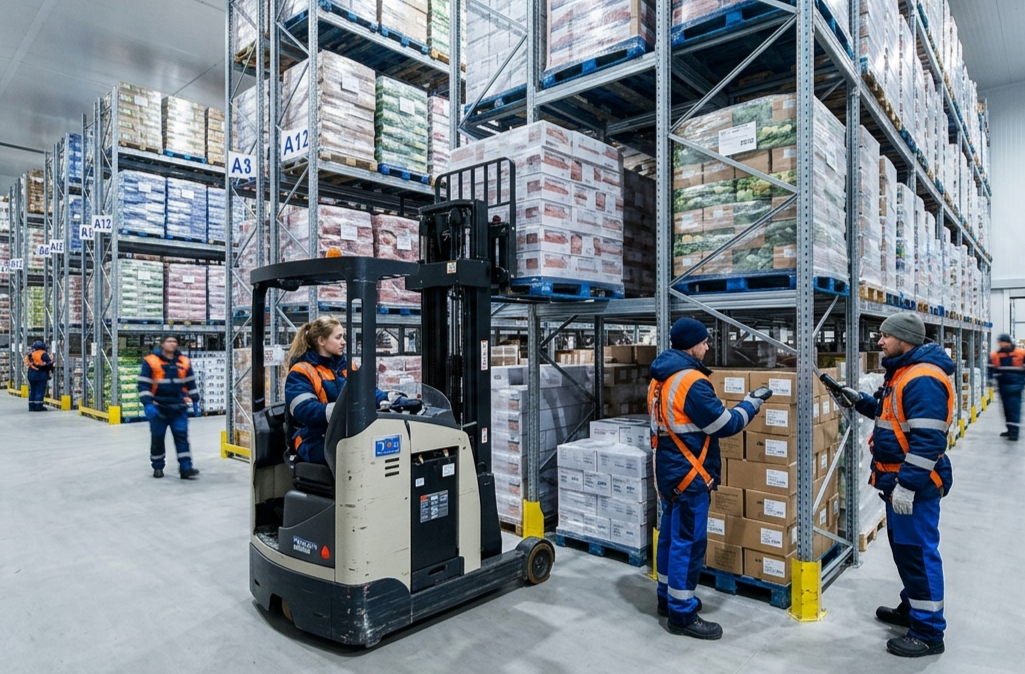
Cloud transformation is critical for cold chain logistics providers where infrastructure reliability directly impacts time-sensitive supply chains such as food and pharmaceuticals. Legacy data centers often limit scalability, increase operational risk, and hinder responsiveness to dynamic demand. This case study highlights how a global cold chain logistics provider adopted a cloud-first strategy to modernize its infrastructure. By leveraging hybrid cloud architecture and automation-driven migration, the organization improved resilience, ensured near-zero disruption, and created a scalable foundation for future digital operations.
Customer
A global cold chain logistics provider supporting temperature-controlled logistics, warehousing, and distribution for food and pharmaceutical supply chains.
Business Objective
- Enable a cloud-first IT strategy
- Improve infrastructure resilience and scalability
- Reduce dependency on legacy data centers
- Ensure zero disruption to critical operations
- Support future digital and operational growth
Scope of Services
- Migration of production and DR workloads to Microsoft Azure
- Implementation of hybrid cloud operating model (MCOD)
- Extension of cloud infrastructure across EMEA and APAC regions
- Data center consolidation and migration
- Infrastructure automation and digital twin modeling
- Testing, deployment, and stabilization of cloud environments
Benefits
- Improved infrastructure reliability and resilience
- Faster response to operational and business needs
- Standardized global infrastructure operations
- Reduced operational risk for time-sensitive logistics
- Scalable foundation for digital transformation
Impact
- 70% of workloads migrated to Azure
- 97% virtualization achieved
- Near-zero downtime during migration
- Near-zero data loss across systems
- Improved operational continuity across global operations

Introduction
Digital experience transformation is redefining how public transportation authorities engage with citizens and travelers. Modern mobility ecosystems require seamless, intuitive, and accessible experiences across airports, transit hubs, and digital platforms. Traditional infrastructure-focused approaches often fail to meet evolving expectations of convenience, personalization, and inclusivity. This case study highlights how a regional transportation authority transformed its ecosystem by integrating human-centered design, immersive technologies, and digital innovation. By leveraging AR/VR, mobile platforms, and multi-cloud infrastructure, the organization created future-ready transportation experiences while optimizing costs and accelerating innovation.
Customer
A leading Australian regional transportation authority responsible for managing metropolitan transport infrastructure, including airports, train stations, and multimodal transit systems.
Business Objective
- Design future-ready transportation assets aligned with long-term mobility vision
- Deliver accessible and world-class traveler experiences
- Position transport infrastructure as experience-driven destinations
- Reduce total cost of ownership through outsourcing and cloud adoption
- Accelerate innovation through incubation and digital experimentation
Scope of Services
- Human-centered design for airport and transit experiences
- Development of citizen-facing mobile applications
- AR/VR-based experience prototyping and visualization
- Strategic outsourcing of applications and infrastructure
- Multi-cloud enablement and migration
- Innovation incubation through rapid prototyping and validation
Benefits
- Improved citizen and traveler engagement
- Enhanced accessibility and inclusivity across services
- Reduced long-term IT and operational costs
- Faster innovation cycles through incubation approach
- Scalable and flexible digital infrastructure
Impact
- Delivery of immersive AR/VR-based experience designs
- Enablement of next-generation traveler experiences
- Foundation for scalable and future-ready transport systems
- Strengthened positioning of transport infrastructure as destinations