Introduction
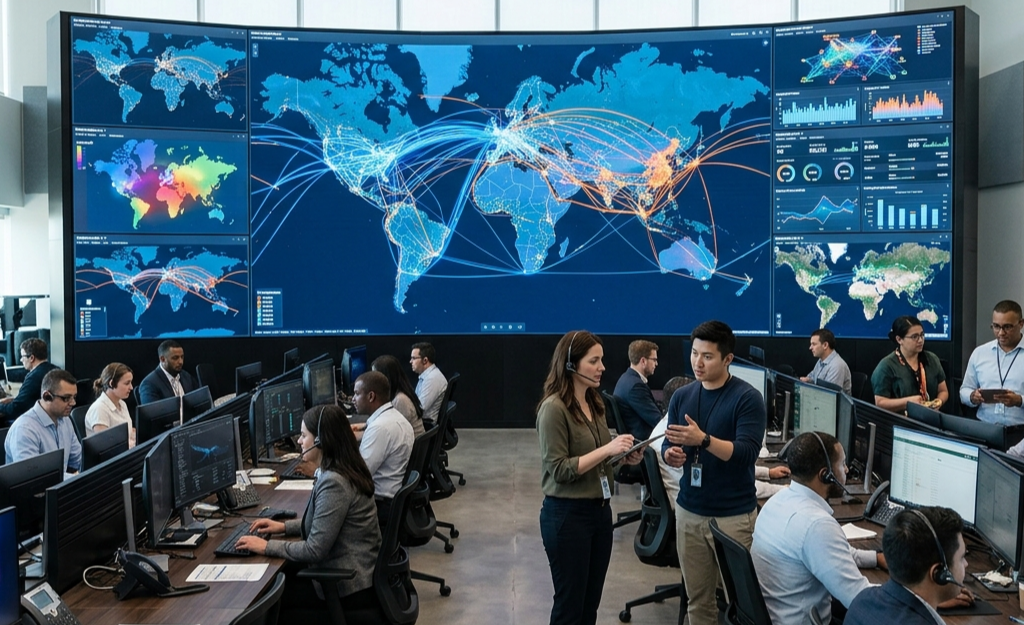
Transportation Management System (TMS) consolidation enables global logistics enterprises to unify fragmented systems, improve visibility, and reduce operational complexity. Organizations operating across multiple geographies and transport modes often struggle with disconnected platforms, inconsistent data, and limited decision-making capabilities. This case study highlights how a global shipping and transportation company transformed its complex landscape into a unified operating model. By harmonizing data, standardizing processes, and defining a future-ready roadmap, the organization established a scalable foundation for efficient and integrated transportation operations.
Customer
A leading global shipping and transportation company operating across multiple geographies and managing complex, multi-modal logistics networks.
Business Objective
- Consolidate fragmented transportation systems into a unified model
- Achieve global visibility across transportation data and operations
- Define a future-ready transportation capability roadmap
- Reduce IT and operational costs through rationalization
- Enable centralized and data-driven decision-making
Scope of Services
- Enterprise transportation landscape assessment
- Business and IT capability discovery
- Evaluation and selection of TMS platform
- Solution blueprinting for unified operations
- Definition of transformation roadmap
- Data harmonization and process standardization strategy
- Integration and synchronization framework design
Benefits
- Single Transportation Management Platform for unified governance
- End-to-end visibility across all transportation modes and regions
- Standardized processes across geographies and business units
- Improved decision-making through harmonized data
- Scalable foundation for future transportation growth
Impact
- 7% reduction in forecasted IT costs
- $9M estimated total cost savings
- Unified TMS platform across ADM
- Improved global visibility and governance
- Foundation for scalable and future-ready transportation capabilities
Introduction
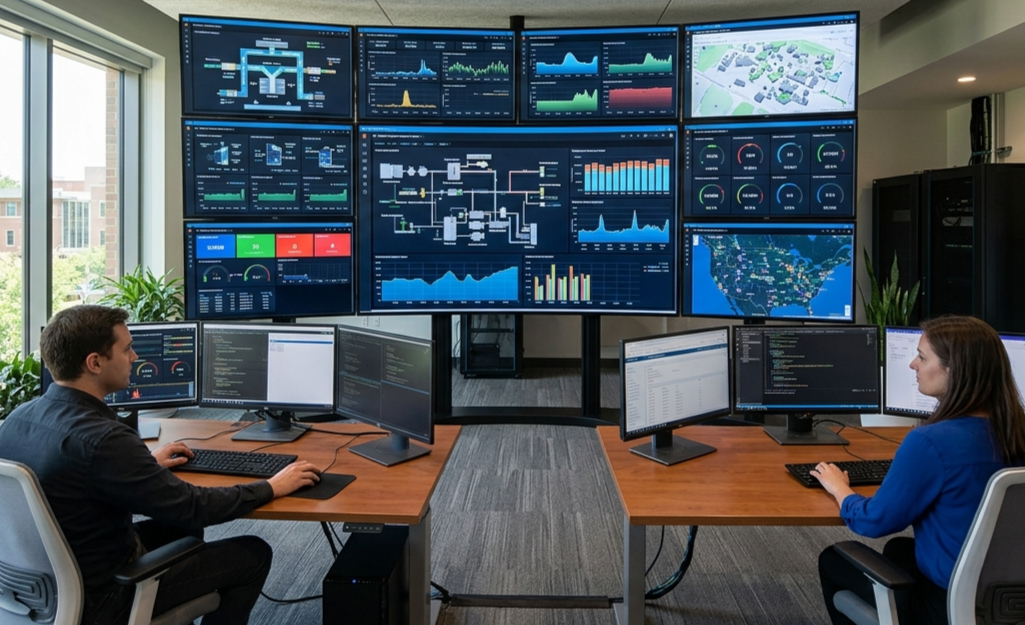
Educational institutions require efficient infrastructure management to maintain operational continuity and reduce energy and maintenance costs. This case demonstrates how a smart campus platform enabled centralized monitoring, automation, and improved facility management. It focuses on creating a connected ecosystem where infrastructure systems can be monitored and managed from a single interface.
Customer
A US-based educational institution managing campus infrastructure and facilities. The institution operates multiple buildings and infrastructure systems, requiring consistent monitoring and coordination to ensure smooth day-to-day operations.
Business Objective
- Centralize infrastructure monitoring across campus to eliminate siloed systems
- Improve energy efficiency and facility management through better visibility
- Reduce maintenance response time with faster issue identification
- Enable data-driven campus operations for better planning and control
Scope of Services
- Campus-wide SCADA implementation across infrastructure systems
- Integration of HVAC, utilities, and infrastructure systems into a unified platform
- Real-time monitoring dashboards for operational visibility
- Alarm and event management for proactive issue resolution
Technology Used
- SCADA + Building Management Systems
- Real-time monitoring dashboards
- IoT-enabled infrastructure systems
- Alarm and analytics platforms
Benefits
- Improved infrastructure visibility across campus systems
- Faster issue detection and resolution through centralized alerts
- Reduced operational costs due to better energy management
- Enhanced campus efficiency and operational control
Impact
- Centralized monitoring across campus systems improving coordination
- Reduced downtime and improved facility reliability
- Better energy and operational management through real-time insights
Introduction
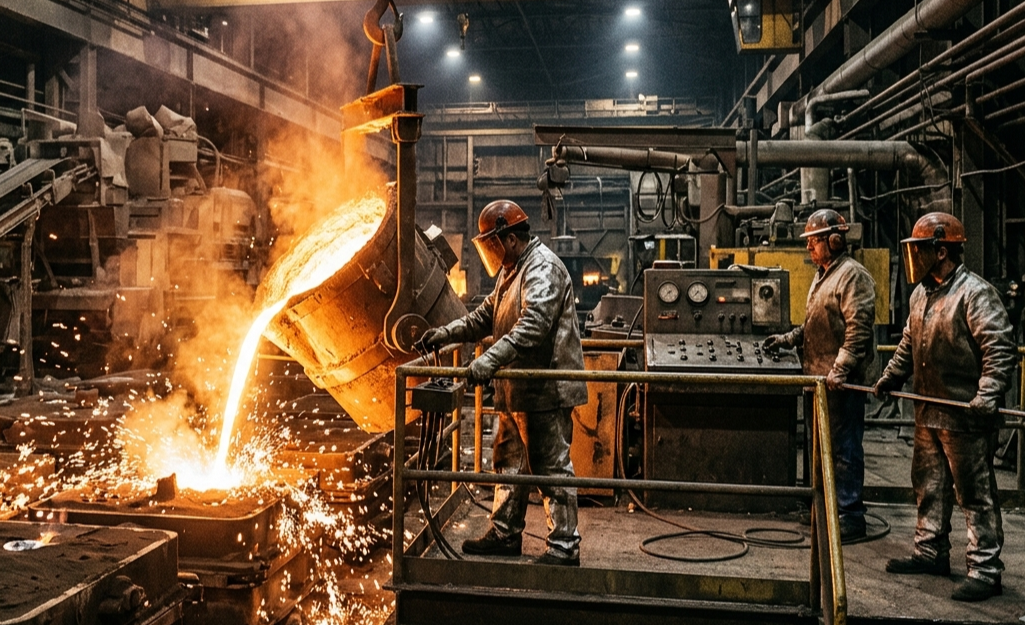
Manufacturing environments often rely on disconnected systems and manual data collection, leading to inefficiencies and limited visibility. This case highlights how a foundry implemented a digital platform to integrate systems, improve data collection, and enhance operational efficiency. The initiative focused on creating a unified data layer across production processes to enable better monitoring and control.
Customer
A manufacturing enterprise operating an iron foundry with complex production processes. The facility includes multiple stages of production and machinery that require coordination and continuous monitoring to ensure efficiency and consistency.
Business Objective
- Improve data visibility across manufacturing operations
- Integrate disconnected systems and machinery into a unified platform
- Enhance production efficiency across processes
- Enable data-driven decision-making for better control
Scope of Services
- Implementation of integrated SCADA platform across production systems
- Data collection and analysis enablement for operational insights
- Integration with existing machinery and legacy systems
- Dashboard and reporting development for visibility
Technology Used
- SCADA + IIoT platform for centralized monitoring
- Real-time data collection systems for production tracking
- Analytics and reporting tools for insights
- Machine integration frameworks for connectivity
Benefits
- Improved operational visibility across production processes
- Better production efficiency through real-time insights
- Reduced manual data handling and errors
- Enhanced decision-making capabilities
Impact
- Increased efficiency and competitiveness in manufacturing operations
- Improved data-driven production processes across the foundry
- Reduced operational inefficiencies and process gaps
Introduction
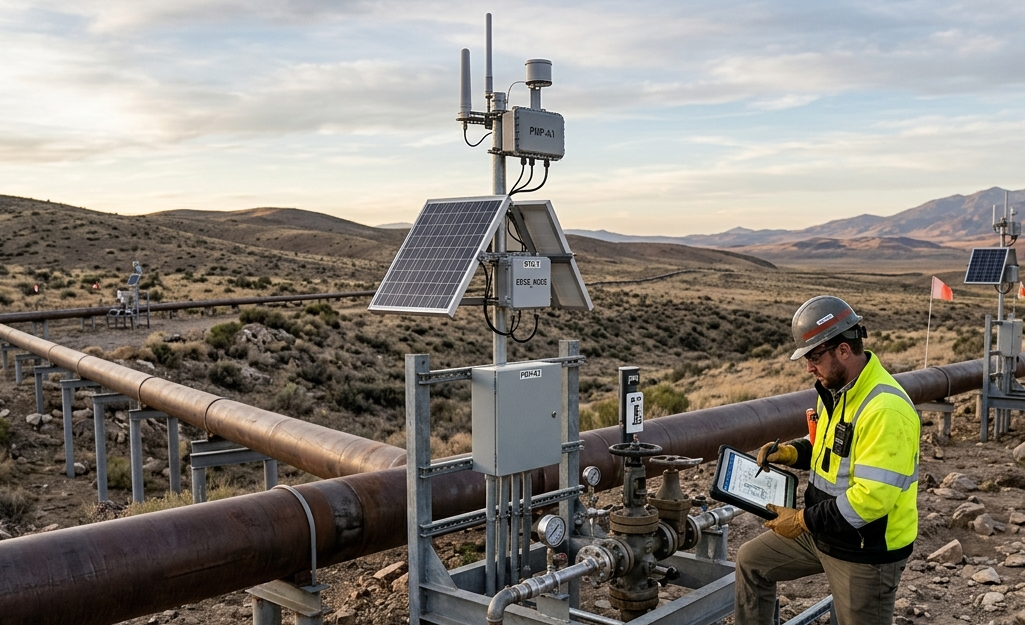
Oil and gas infrastructure operates across remote and harsh environments, requiring reliable data collection and real-time monitoring. Legacy systems often introduce complexity, high costs, and scalability challenges. This case highlights how a modern MQTT-based architecture transformed data flow, reduced complexity, and enabled scalable operations. The approach focused on simplifying communication layers while ensuring reliable and secure data transmission from distributed assets.
Customer
A US-based oil and gas infrastructure provider managing large-scale pipeline networks. The organization operates across geographically dispersed locations, requiring continuous monitoring and coordination to maintain operational safety and efficiency.
Business Objective
- Reduce network complexity and operational overhead across infrastructure
- Enable real-time data flow from remote and distributed assets
- Improve scalability of infrastructure to support expansion
- Reduce dependency on manual configuration and system updates
Scope of Services
- SCADA system modernization across pipeline monitoring systems
- MQTT-based data architecture implementation for efficient communication
- Edge device deployment across remote sites for data collection
- Centralized monitoring and control for operational visibility
Technology Used
- MQTT protocol for lightweight and efficient data transmission
- Edge gateways and IIoT architecture for remote connectivity
- SCADA + HMI systems for monitoring and control
- Real-time data analytics for operational insights
Key Challenges Addressed
- Complex VPN-based architecture and high maintenance effort
- Manual system updates across 100+ endpoints
- Lack of scalable and flexible data architecture
Benefits
- Simplified architecture and reduced system complexity
- Faster data transmission and processing across sites
- Improved scalability and flexibility for future expansion
- Reduced operational costs and maintenance effort
Impact
- Significant reduction in network complexity across infrastructure
- Faster deployment with processes reduced from hours to minutes
- Improved operational efficiency and scalable system performance

Introduction
Organizations often rely on multiple disconnected tools for internal workflows, leading to inefficiencies and inconsistent processes. This case highlights how a unified application platform enabled rapid development of internal tools, improving productivity and operational consistency. The approach focused on creating a standardized environment where applications could be built, deployed, and managed efficiently.
Customer
A global technology company leveraging its own platform for internal operations. The organization manages multiple internal workflows across teams and functions, requiring scalable and consistent tools to support day-to-day operations.
Business Objective
- Replace manual and inconsistent workflows across teams
- Enable rapid application development using a unified platform
- Improve internal productivity through streamlined processes
- Standardize internal tools and operational workflows
Scope of Services
- Development of internal applications such as architecture builder and HVAC control tools
- Workflow automation and optimization across business processes
- Integration across internal systems for seamless data flow
- Real-time monitoring and control capabilities
Technology Used
- Application development platform (low-code) for rapid deployment
- SCADA + IoT integration for system connectivity
- Workflow automation tools for process efficiency
- Real-time monitoring systems for operational visibility
Key Challenges Addressed
- Inefficient manual workflows and inconsistent tools across teams
- Lack of standardized application development processes
Benefits
- Faster application development and deployment cycles
- Improved operational efficiency across internal workflows
- Consistent internal processes and system usage
- Reduced dependency on external tools and platforms
Impact
- Rapid deployment of internal tools across multiple teams
- Improved productivity and collaboration across functions
- Enhanced decision-making and better system control through real-time insights
Introduction
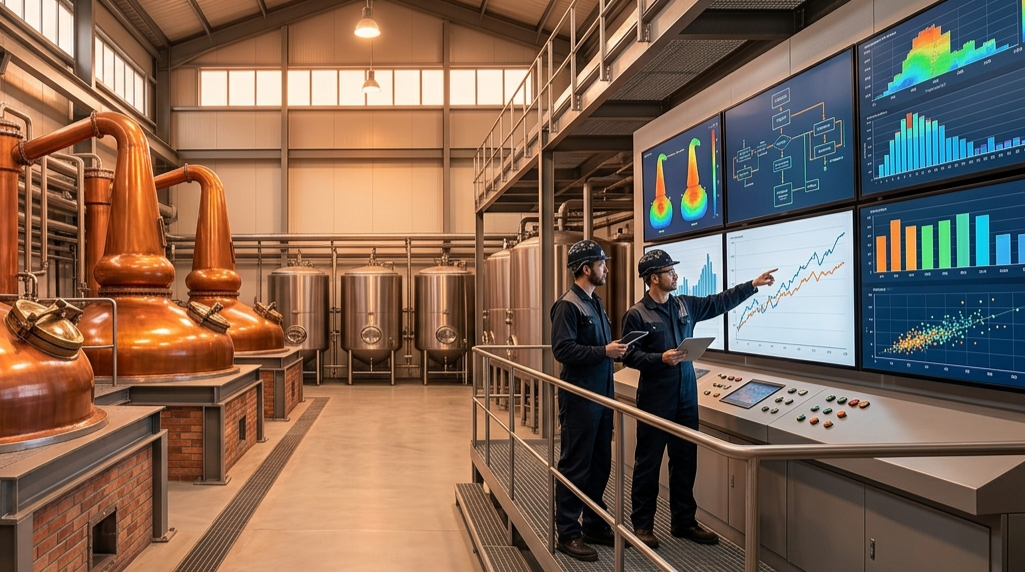
SCADA modernization case studies demonstrate how legacy manufacturing environments can evolve into data-driven operations. Traditional distilleries, especially those operating in historic facilities, often face challenges such as limited historical data, disconnected systems, and restricted physical expansion. These limitations make it difficult to optimize production processes, forecast demand accurately, and maintain consistent product quality over time.
Customer
A North America–based premium distillery operating a historic production facility. The organization is known for maintaining traditional distillation processes while ensuring high product quality and consistency across batches. The facility includes multiple stages of production such as fermentation, distillation, aging, and packaging, all operating within a physically constrained environment due to the legacy nature of the infrastructure.
Business Objective
- Improve long-term production planning using historical data
- Enable real-time visibility into production processes
- Enhance operational efficiency within physical constraints
- Modernize legacy automation systems
Scope of Services
- SCADA system modernization and replacement
- Real-time data capture and historian implementation
- HMI redesign for improved usability
- Integration across production systems
Technology Used
- SCADA + IIoT platform
- Real-time data historian
- High-performance HMI systems
- Mobile-enabled dashboards
Key Challenges Addressed
- Lack of historical data impacting long-term planning
- Limited operational visibility across production processes
- Inefficient legacy SCADA system
Benefits
- Improved data-driven decision-making
- Better production forecasting and planning
- Enhanced operator experience through modern UI
- Increased operational efficiency
Impact
- Real-time and historical data enabled long-term production planning
- Improved operational efficiency across constrained facilities
- Faster decision-making through centralized visibility
Introduction
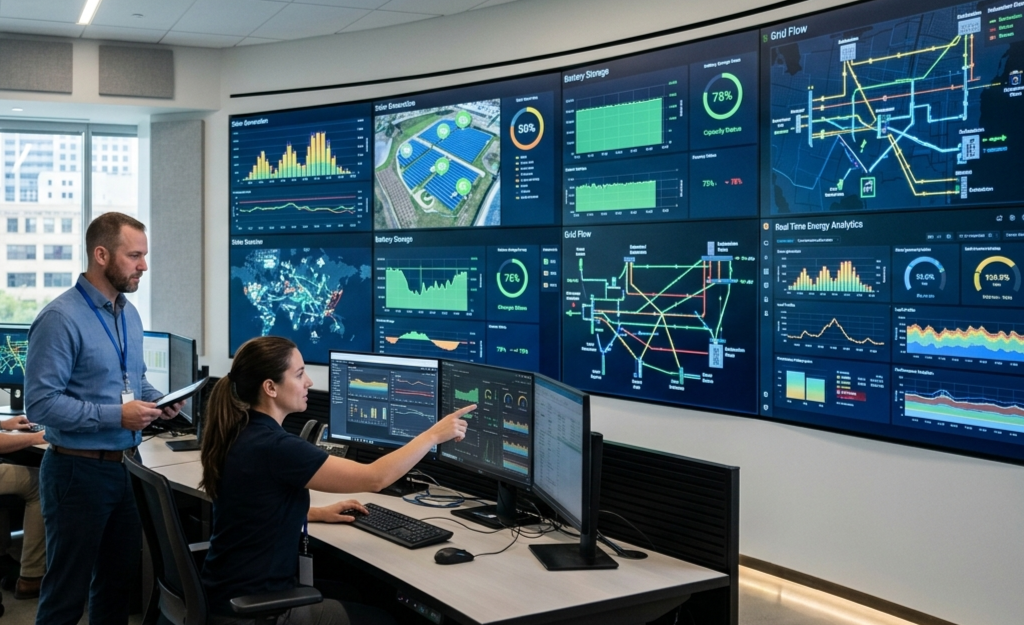
Modern energy ecosystems require intelligent orchestration of multiple energy sources, storage systems, and grid interactions. Traditional systems lack the flexibility to manage decentralized and hybrid energy environments. This case study highlights how a Digital Twin–driven energy management platform enabled real-time control, optimization, and scalability for a complex urban microgrid.
Customer
A Middle East–based renewable energy and infrastructure organization managing distributed energy assets.
Business Objective
- Enable real-time control of decentralized energy assets
- Optimize energy usage and storage across microgrid
- Improve grid resilience and independence
- Build scalable energy management architecture
Scope of Services
- Development of centralized energy management platform
- Integration of solar, battery storage, and grid systems
- Real-time monitoring and control of energy assets
- Dashboard and analytics implementation
- Multi-site energy optimization enablement
Technology Used
- Digital Twin–enabled energy management system
- SCADA + EMS platforms
- Real-time data ingestion and analytics
- IoT sensors and distributed energy integration
- Cloud-enabled scalable architecture
Key Challenges Addressed
- Managing decentralized and multi-source energy systems
- Integrating diverse hardware and protocols
- Ensuring real-time control and optimization
- Handling urban infrastructure constraints
Benefits
- Unified control across energy assets
- Improved energy optimization and efficiency
- Scalable and flexible architecture
- Enhanced operational visibility
Impact
- Real-time control of hybrid energy systems
- Ability to operate independently from main grid for limited duration
- Improved energy utilization and grid stability
Introduction
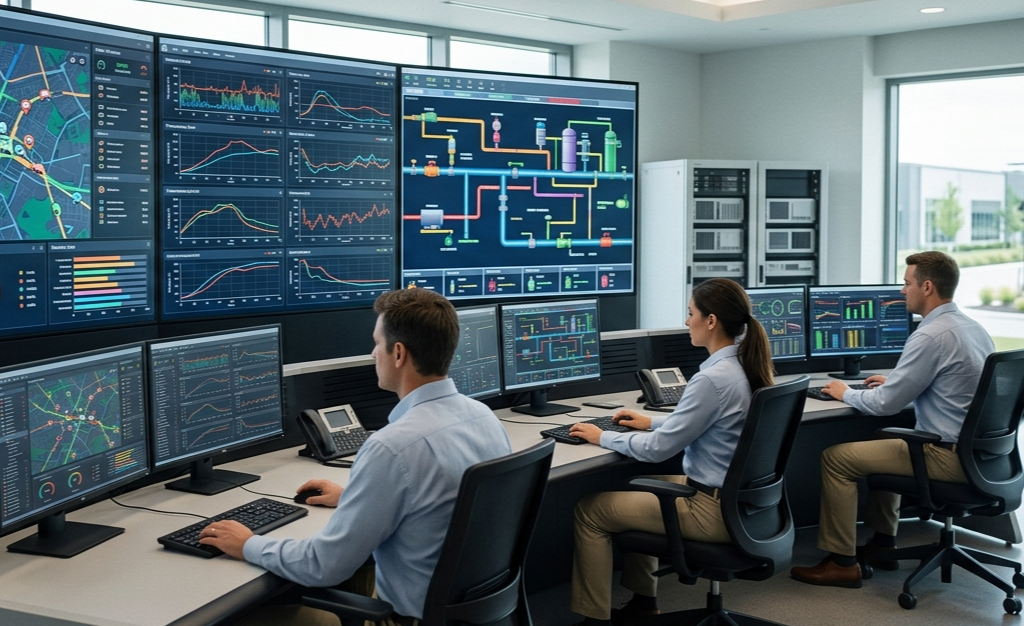
Traditional industrial monitoring systems are designed for static environments, but modern logistics and energy operations demand real-time visibility across highly dynamic and distributed assets. This case study demonstrates how a mobile energy provider implemented a scalable IIoT-driven platform to monitor, control, and optimize operations across a constantly moving fleet, enabling resilience, uptime, and real-time decision-making.
Customer
A North America–based mobile energy and logistics provider operating a large fleet of distributed assets.
Business Objective
- Enable real-time monitoring across mobile and remote assets
- Ensure high system uptime and resilience
- Improve visibility across distributed operations
- Support scalability with growing fleet size
Scope of Services
- Implementation of distributed SCADA and IIoT platform
- Real-time fleet monitoring and control
- Connectivity optimization across networks (cellular, WiFi, satellite)
- Centralized visibility dashboards for operations and management
Technology Used
- IIoT-enabled SCADA platform
- Real-time data streaming and telemetry
- Multi-network connectivity (cellular, WiFi, satellite)
- Edge computing for remote assets
- Centralized monitoring dashboards
Key Challenges Addressed
- Monitoring assets that are constantly moving across regions
- Connectivity variability across geographies
- Lack of centralized visibility across distributed operations
- Need for high uptime and resilience
Benefits
- Real-time visibility across mobile operations
- Improved uptime and operational reliability
- Better decision-making through centralized insights
- Scalable architecture supporting growth
Impact
- Real-time monitoring across hundreds of remote sites
- Improved operational control across dynamic fleet environments
- High uptime achieved through resilient architecture
Introduction
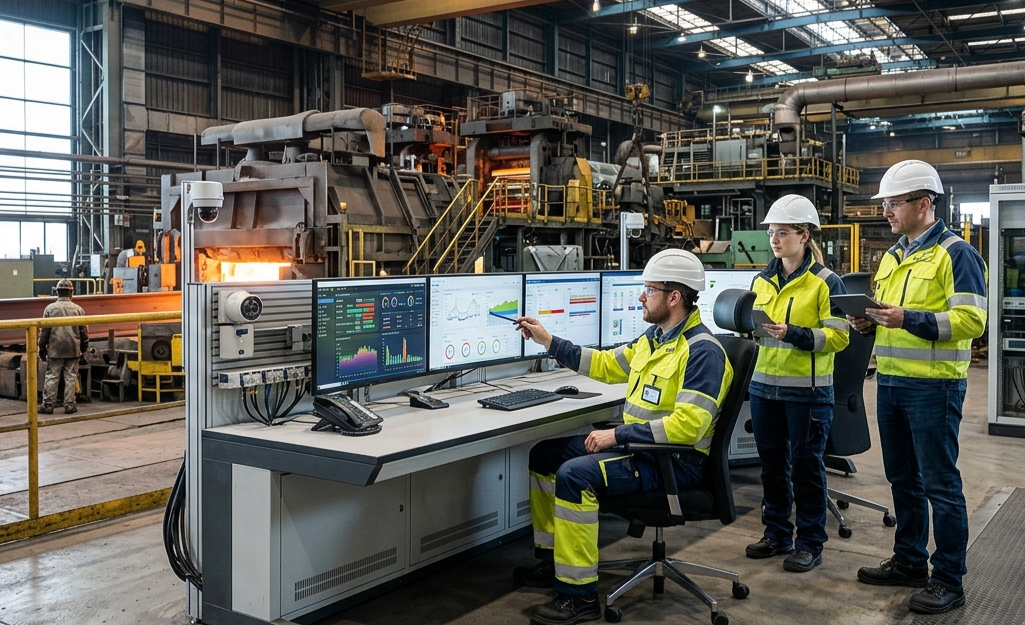
Manufacturing Execution System (MES) case studies highlight how manufacturers overcome fragmented systems, delayed data, and unreliable operational insights. In high-precision industries like steel manufacturing, these challenges directly impact productivity, traceability, and decision-making. This case study explores how a steel manufacturing enterprise implemented a custom MES integrated with enterprise systems to unify operations, improve data accuracy, and enable real-time production visibility.
Customer
A Caribbean and Central America–based steel manufacturing enterprise operating large-scale production facilities.
Business Objective
- Eliminate manual data entry and fragmented systems
- Improve trust and accuracy of operational data
- Enable real-time production visibility
- Achieve end-to-end traceability across manufacturing lifecycle
Scope of Services
- Custom MES platform design and deployment
- Integration with ERP systems (SAP)
- Real-time production data capture and monitoring
- Dashboard and KPI visualization
- Workflow digitization replacing paper and Excel-based systems
Key Challenges Addressed
- Slow and unreliable data impacting decision-making
- Manual processes using Excel, paper, and disconnected tools
- Lack of trust in MES outputs among operators
- Poor traceability across production lifecycle
Benefits
- Unified plant-floor and enterprise data
- Improved operator trust and adoption
- Real-time KPI visibility
- Reduced errors from manual processes
Impact
- End-to-end traceability from raw material to finished goods
- Real-time production insights enabling faster decisions
- Significant reduction in manual intervention and errors
Introduction
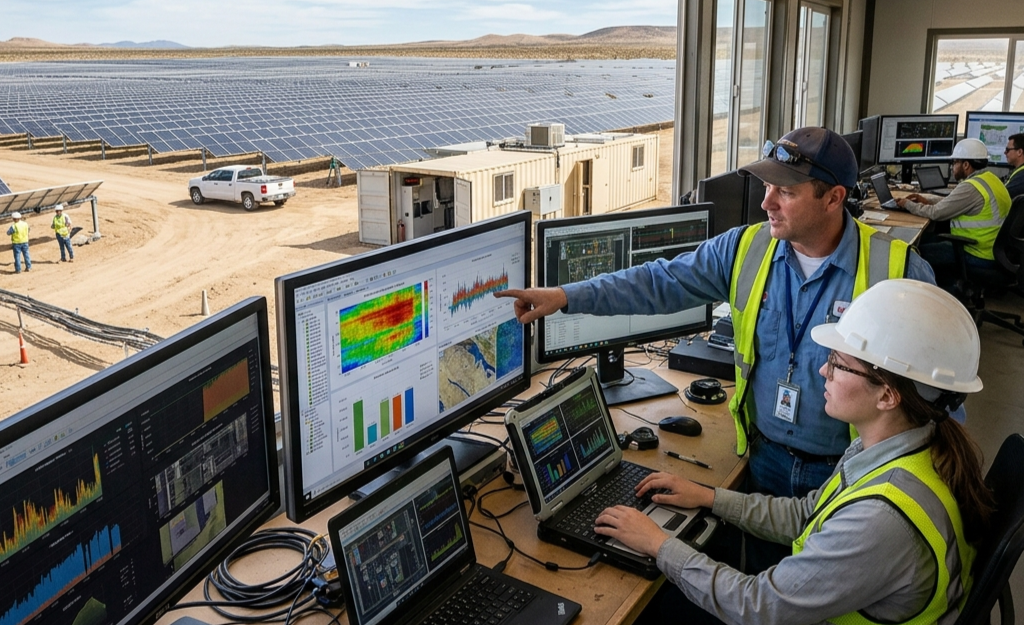
Large-scale renewable energy environments generate massive volumes of data from distributed assets, making real-time monitoring, interoperability, and analytics critical for performance optimization. However, fragmented systems and inconsistent data capture often limit visibility and slow decision-making. This case study highlights how a solar research and testing environment implemented a centralized Digital Twin framework to unify data, improve operational visibility, and enable real-time analytics. By integrating diverse systems into a single intelligent platform, the organization enhanced research accuracy, maintenance responsiveness, and scalability.
Customer
A North America–based renewable energy research organization managing a large-scale solar testing facility with thousands of distributed energy assets.
Business Objective
- Enable unified data capture across diverse solar assets and systems
- Improve real-time monitoring and operational visibility
- Enhance research accuracy through high-frequency data collection
- Reduce maintenance delays and improve response time
- Build a scalable platform for future expansion
Scope of Services
- Design and implementation of a centralized Digital Twin platform
- Integration of heterogeneous devices, systems, and protocols
- Real-time data ingestion and visualization enablement
- Development of analytics dashboards and KPI tracking
- Data consolidation into a unified database architecture
- Standardization of asset models for scalability and future onboarding
Key Challenges Addressed
- Lack of interoperability across multiple systems and vendors
- Limited visualization and absence of real-time monitoring
- Low-frequency data capture impacting research accuracy
- Fragmented data storage across platforms
- Difficulty in scaling and adding new assets
Benefits
- Unified visibility across all solar assets and systems
- Real-time monitoring enabling proactive decision-making
- Improved data accuracy and research insights
- Faster maintenance response and issue resolution
- Scalable architecture supporting future expansion
Impact
- Real-time data capture improved from low-frequency to near real-time intervals (every few seconds)
- Centralized platform enabled complete operational visibility across solar fields
- Faster maintenance response through real-time monitoring and alerts
- Scalable system design allowing seamless addition of new assets and devices