Technology Brilliance

Accelerate Enterprise Decisions from Weeks to Minutes

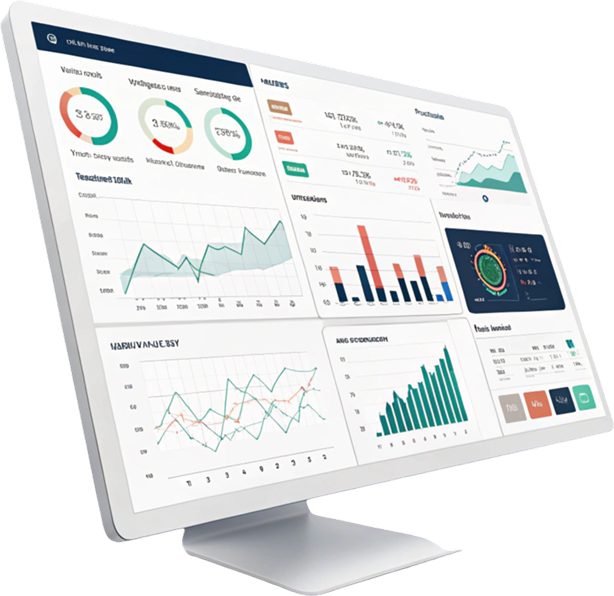
Simplify Analytics transforms raw operational and financial data into real-time, predictive intelligence. From hospital wards to executive boardrooms, from factory floors to retail shelves, from classrooms to corporate strategy, every insight flows seamlessly across your enterprise.

One Platform. Many Industries. One Connected Enterprise.

Simplify Analytics connects enterprise data across systems to deliver decision-ready insights for leadership teams.


It operates as an intelligence layer across three enterprise system categories:

  • Core Systems: Operational systems such as manufacturing, supply chain, and production.
  • Business Support Systems: Functions that support and govern operations, including finance, HR, legal, and IT.
  • System Support Layer: Digital tools that unify enterprise data and extend visibility across systems.

By bridging these layers, it delivers:

  • Unified data visibility across enterprise applications and external systems.
  • Predictive intelligence that reveals trends, risks, and opportunities.
  • Executives, including CEOs, CFOs, COOs, and CIOs, gain decision-ready insights, enabling faster and more confident business decisions.

How Simplify Analytics Works

Simplify Analytics operates as a semantic intelligence layer. It connects core operations,
business support functions, and digital systems into one unified decision framework. 

Connect

Connect Every Layer

Simplify integrates with ERP systems across core operations (manufacturing, supply chain, healthcare wards, retail factories) and business support functions (finance, HR, IT, legal).  It unifies data from these layers into a single-governed semantic layer.

Transform

Transform Your Data

Using AI-driven anomaly detection, observability, and self-service analytics, Simplify converts raw ERP data into actionable intelligence. 
Leaders can ask natural language questions to and get instant answers without waiting for reports. 

Forecast

Deliver Predictive Insights

Simplify goes beyond reporting. It shows patterns and trends — predicting demand, highlighting downtime, exposing hidden cost leakage, and identifying margin erosion across supply chains. This shifts decision-making from reactive to proactive.

Decide

Executive-Ready Decisions

Insights are tailored for decision-makers from ground operations to the
boardroom. Instead of digging through spreadsheets, executives see clear comparisons, forecasts, and recommendations in minutes.

Decision Indicators

Simplify Analytics accelerates department-level decision intelligence across the enterprise.

  • Gross Margin:
    Profitability across categories (typically 20–50%)
  • Inventory Carrying Cost:
    Working capital efficiency (typically 20–30%)
  • Markdown %:
    Impact of discounting on margins
    (typically 5–20%)
  • Operating Margin:
    Store profitability (typically 5–15%)
  • Sales per Employee:
    Store productivity (benchmark-driven)
  • Employee Turnover:
    Store stability (typically 15–30%)
  • Training Effectiveness:
    Sales readiness (typically 70–90%)
  • Staff Productivity Index:
    Workforce efficiency (typically 75–90%)
  • Inventory Turnover:
    Stock efficiency (typically 5–12x/year)
  • Stock-out Rate:
    Lost sales risk (typically <3–5%)
  • Order Fulfillment Time:
    Delivery efficiency (typically <24–72 hrs)
  • Return Processing Time:
    Customer service efficiency (typically <3–5 days)
  • Conversion Rate:
    Store/website effectiveness (typically 2–5%)
  • Average Order Value (AOV):
    Basket size growth
  • Customer Retention:
    Repeat purchase behavior (typically 30–60%)
  • Customer Acquisition Cost:
    Marketing efficiency (typically 10–20%)
  • Supplier Fill Rate:
    Product availability (typically 90–95%)
  • Purchase Price Variance:
    Cost control (typically <5%)
  • Lead Time:
    Supply responsiveness (reduced by 10–20%)
  • Supplier Defect Rate:
    Product quality reliability (typically <2–3%)
  • Website/App Uptime:
    Revenue continuity (typically 99.5%+)
  • Page Load Speed:
    Conversion performance (typically <2–3 sec)
  • Digital Engagement:
    Customer interaction growth
  • Inventory Data Accuracy:
    Stock visibility (typically 95–98%)
  • Product Compliance:
    Regulatory adherence (target 100%)
  • Return Compliance:
    Policy adherence (typically 95–100%)
  • Data Privacy Compliance:
    Customer trust (target 100%)
  • Fraud Detection Rate:
    Transaction security (typically 90–95%)
  • RevPAR Growth:
    Revenue performance (typically 5–10% YoY)
  • GOP Margin:
    Operational profitability (typically 30–40%)
  • Cost per Occupied Room:
    Cost efficiency (benchmark-driven)
  • Average Daily Rate (ADR):
    Pricing performance benchmark
  • Employee Turnover:
    Service consistency (typically 20–35%)
  • Staff Productivity:
    Revenue per employee (benchmark-driven)
  • Training Completion:
    Service readiness (typically 80–90%)
  • Employee Engagement Score:
    Staff morale and service culture (typically 70–85%)
  • Occupancy Rate:
    Demand utilization (typically 65–85%)
  • Check-in Time:
    Guest experience efficiency (typically <5 mins)
  • Service Response Time:
    Operational agility (typically <10 mins)
  • Room Turnover Time:
    Housekeeping efficiency (typically <30 mins)
  • Direct Booking Ratio:
    Channel efficiency (typically 30–50%)
  • Customer Acquisition Cost:
    % of booking value (typically 10–20%)
  • Repeat Guest Rate:
    Loyalty indicator (typically 25–40%)
  • Revenue per Available Guest:
    Guest monetization efficiency
  • Food Cost %:
    Cost control (typically 25–35%)
  • Vendor Reliability:
    Supply consistency (typically 90%+)
  • Inventory Waste:
    Efficiency of usage (typically <5–8%)
  • Purchase Price Variance:
    Procurement cost control (typically <5%)
  • Booking System Uptime:
    Revenue continuity (typically 99.5%+)
  • Online Conversion Rate:
    Digital performance (typically 2–5%)
  • Digital Engagement:
    Guest interaction growth
  • System Response Time:
    Digital experience performance (typically <2 seconds)
  • Safety Compliance:
    Operational adherence (target 100%)
  • Audit Compliance:
    Risk mitigation (typically 95–100%)
  • Incident Rate:
    Operational risk (near zero target)
  • Regulatory Inspection Score:
    Compliance readiness (typically 95–100%)
  • Net Interest Margin:
    Core driver of lending profitability (typically 3–5%)
  • Cost-to-Income Ratio:
    Measures operational efficiency
    (typically 40–60%)
  • Loan Loss Ratio:
    Indicates credit risk exposure (typically 1–3%)
  • Return on Assets (ROA):
    Overall profitability efficiency (typically 0.8–1.5%)
  • Revenue per Employee:
    Reflects workforce productivity
    (benchmark-driven)
  • Attrition (Customer-facing roles):
    Impacts continuity and relationships
    (typically 10–20%)
  • Training Effectiveness:
    Measures capability development
    (typically 70–90%)
  • Employee Engagement Score:
    Workforce motivation and retention indicator (typically 70–85%)
  • Loan Processing Time:
    Drives turnaround efficiency (typically 24–72 hrs)
  • Transaction Success Rate:
    Ensures system reliability (typically 98–99.9%)
  • Turnaround Time (TAT):
    Overall service responsiveness (typically <48 hrs)
  • Operational Cost per Transaction:
    Efficiency of service delivery (declining trend)
  • Customer Acquisition Cost:
    5–15% of revenue
  • Lead-to-Customer Conversion:
    10–25%
  • Cross-sell Ratio:
    2–4 products/customer
  • Customer Retention Rate:
    75–90%
  • Customer Acquisition Cost:
    Managed as % of revenue (typically 5–15%)
  • Conversion Rate:
    Measures funnel effectiveness (typically 10–25%)
  • Cross-sell Ratio:
    Expands customer value
    (typically 2–4 products/customer)
  • Customer Retention Rate:
    Long‑term relationship value (typically 75–90%)
  • System Uptime:
    Business continuity (typically 99.9%+)
  • Digital Adoption:
    Shift to digital channels (typically 60–80%+)
  • Incident Resolution Time:
    Operational responsiveness (typically <4–8 hrs)
  • Cybersecurity Incident Rate:
    Security resilience (<1% critical incidents)
  • Compliance Adherence:
    Regulatory alignment (typically 95–100%)
  • Fraud Detection Rate:
    Strength of controls (typically 90%+)
  • Audit Closure Rate:
    Timely resolution (typically 90–100%)
  • AML Monitoring Accuracy:
    Anti‑money laundering control effectiveness (typically 95%+)
  • Revenue per Bed:
    Asset utilization (benchmark-driven)
  • Cost per Patient:
    Cost efficiency (typically 60–70% of revenue)
  • Operating Margin:
    Financial sustainability (typically 10–20%)
  • Insurance Claim Approval Rate:
    Revenue realization efficiency (typically 85–95%)
  • Staff Utilization:
    Workforce efficiency (typically 70–85%)
  • Attrition:
    Continuity of care (typically 10–20%)
  • Patient-to-Staff Ratio:
    Service balance (optimized benchmark)
  • Training Compliance Rate:
    Clinical skill readiness (typically 85–95%)
  • Bed Occupancy:
    Capacity utilization (typically 70–85%)
  • Length of Stay:
    Efficiency of care (optimized by 10–15%)
  • Patient Wait Time:
    Service experience (typically <20–30 mins)
  • Treatment Turnaround Time:
    Clinical service efficiency (typically <24 hrs)
  • Patient Acquisition Cost:
    Channel efficiency (typically 10–15%)
  • Patient Retention:
    Trust and loyalty (typically 60–80%)
  • Referral Rate:
    Growth through network (typically 20–40%)
  • Digital Appointment Conversion:
    Online engagement effectiveness (typically 15–30%)
  • Inventory Turnover:
    Supply efficiency (typically 8–12x/year)
  • Stock-out Rate:
    Availability risk (typically <2–5%)
  • Drug Cost per Patient:
    Cost optimization (controlled benchmark)
  • Supplier Compliance Rate:
    Medical supplier reliability (typically 95–100%)
  • EMR Adoption:
    Digital maturity (typically 70–90%)
  • System Uptime:
    Critical reliability (typically 99.9%)
  • Data Accuracy:
    Clinical reliability (typically 95%+)
  • Clinical System Response Time:
    Speed of medical systems (typically <3 seconds)
  • Clinical Compliance:
    Standards adherence (typically 95–100%)
  • Incident Reporting:
    Risk visibility (target 100%)
  • Regulatory Compliance:
    Mandatory adherence (target 100%)
  • Patient Data Security Compliance:
    Data protection adherence (typically 95–100%)
  • Cost per Unit:
    Margin efficiency (optimized by 5–10% annually)
  • Inventory Carrying Cost:
    Working capital impact (typically 20–30%)
  • Gross Margin:
    Profitability benchmark (typically 20–40%)
  • Working Capital Turnover:
    Capital utilization efficiency (typically 5–8x)
  • Labor Productivity:
    Output efficiency (improves 5–10%)
  • Attrition:
    Workforce stability (typically 10–15%)
  • Skill Utilization:
    Capability optimization (typically 80–90%)
  • Training Completion Rate:
    Workforce capability development
    (typically 85–95%)
  • OEE:
    Equipment effectiveness (typically 60–85%)
  • Downtime:
    Production loss (typically <10–15%)
  • First Pass Yield:
    Quality output (typically 90–98%)
  • Production Schedule Adherence:
    Planning reliability (typically 90–95%)
  • Order Fulfillment:
    Customer delivery performance
    (typically 90–98%)
  • Forecast Accuracy:
    Planning efficiency (typically 70–85%)
  • Customer Retention:
    Relationship strength (typically 80–90%)
  • Average Order Value Growth:
    Revenue expansion (typically 5–10%)
  • Supplier On-time Delivery:
    Supply continuity (typically 90–95%)
  • Material Cost Variance:
    Cost stability (typically <5%)
  • Lead Time Reduction:
    Supply efficiency (typically 10–20%)
  • Supplier Defect Rate:
    Quality of incoming materials (typically <2–3%)
  • MES Adoption:
    Shopfloor visibility (typically 60–80%)
  • System Integration:
    Data connectivity (typically 70–90%)
  • Real-time Data Availability:
    Decision readiness (near real-time)
  • IT Incident Resolution Time:
    System reliability (typically <4 hrs)
  • Safety Incidents:
    Workforce safety (typically <1–2%)
  • Compliance Adherence:
    Regulatory alignment (typically 95–100%)
  • Audit Closure Rate:
    Issue resolution (typically 90–100%)
  • Environmental Compliance Score:
    Regulatory sustainability (typically 95–100%)

Browse Our Plans

Select the plan that works best for you and experience smarter, simpler workflows

Currency:

Basic

For Small businesses,
startups and SME's
INR 8999 / User/ Month (Billed Annually)
  • Up to 25M rows of data
  • Data warehouse integration
  • Full ERP ecosystem integration
  • Forecasting & Advanced Analytics

Elite

For Mid-sized companies &
multi-location operations
INR 15125 / User/ Month (Billed Annually)
  • Basic+
  • Up to 250M rows of data
  • Data warehouse creation & integration
  • MS Copilot & Teams integration

Enterprise

For Large companies &
distributed operations
INR 22917 / User/ Month (Billed Annually)
  • Elite+
  • No cap on the number of rows of data
  • Unlimited report generation
  • Industry specific Analytics & Dashboards

Case Studies

See how SImplify Analytics has made a difference across a wide range of sectors

Airline Cargo Data Lake Implementation for Operational Analytics

Data Lake Platform Evaluation for Enterprise Analytics

Travel Data Warehouse Modernization with AWS Data Lake

Our Differentiators

What sets Simplify Analytics apart and drives measurable impact across your organization 

Growth Rate

Up to 30% faster decision cycles by acting on real-time and predictive insights

Market Expansion

Enter new markets 20–25% faster using unified internal and external intelligence

Productivity & Quality

Improve operational efficiency by 25–40%, reduce bottlenecks, and elevate quality

Digital and Data

Achieve 60% lower analyst dependency & 100% visibility from ground ops to boardroom

Our Metrics

From intelligent query processing to forecasting, visual analytics, and
industry-specific solutions, Simplify Analytics empowers your teams to
make faster, smarter, and data-driven decisions.

50 +

Analytics Projects Delivered​

75 +

Enterprise Customers

30 +

Centre of
Excellence Labs

90 +

Data / Analytics Specialists

30 +

Proprietary IP Frameworks

Move Beyond Dashboards.
Lead with Decision Intelligence.

The future belongs to organisations that operationalise AI at the core of decision-making.

Simplify Analytics enables:

  • Faster strategy execution
  • Predictive planning
  • Margin protection
  • Cross-functional intelligence
  • Competitive agility

Let's get you started

Please enable JavaScript in your browser to complete this form.
This site is protected by reCAPTCHA and the Google Privacy Policy and Terms of Service apply.

Let's get you started

Please enable JavaScript in your browser to complete this form.
This site is protected by reCAPTCHA and the Google Privacy Policy and Terms of Service apply.

Let's get you started

Please enable JavaScript in your browser to complete this form.
This site is protected by reCAPTCHA and the Google Privacy Policy and Terms of Service apply.