
Customer
Intelligent Sourcing & Risk Hedging for a Leading Power & Industrial Equipment Producer
A global leader in transformers, heavy electrical systems, and industrial power equipment, heavily dependent on CRGO steel and other volatile raw materials. With market fluctuations accelerating and competitors adopting advanced forecasting, the customer needed a smarter, data-driven procurement approach. The goal was to build sourcing intelligence that could stabilize planning, reduce volatility exposure, and strengthen resilience across the production lifecycle.
Business Objective
The customer sought to:
-
Stabilize procurement planning despite extreme CRGO and raw-material volatility
-
Improve forecast accuracy for critical materials essential to production continuity
-
Strengthen sourcing decisions with deeper, data-backed insights
-
Reduce exposure to high-risk or unreliable suppliers
-
Improve negotiation leverage during volatile market cycles
-
Build proactive early-warning capabilities for shortages, spikes, and disruptions
Scope of Services
BXI Technologies addressed major procurement challenges, including:
-
Extreme price fluctuations in CRGO and other metals
-
Competitors adopting AI-driven forecasting, increasing market pressure
-
Manual procurement planning leading to delays, errors, and reactive decision-making
-
Limited supplier visibility and high-risk exposure
-
Lack of consolidated insight into market trends, risks, and alternatives
Our work included:
-
Implementing advanced forecasting models for raw-material trends
-
Integrating real-time market intelligence and volatility indicators
-
Building supplier risk scoring and sourcing alternatives
-
Automating alerts for price spikes, shortages, and disruption signals
-
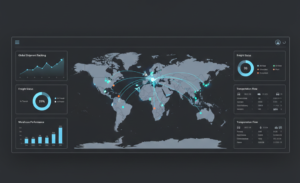
Creating a unified procurement intelligence dashboard
Benefits
The customer achieved:
-
Faster procurement decisions backed by reliable data
-
Clear visibility into raw-material behaviors and market patterns
-
Improved negotiation leverage through stable forecasts
-
More predictable and stable production planning
Impact
-
20–30% better forecast accuracy
-
15–25% procurement cost savings
-
30–40% fewer firefighting events (shortages/spikes)
-
Up to 20% reduced reliance on high-risk suppliers