
Introduction
Digital Engineering Transformation enables product-driven enterprises to improve R&D efficiency, reduce engineering costs, and accelerate innovation across complex product portfolios. In large-scale product engineering organizations, fragmented testing environments, growing software backlogs, and rising maintenance costs limit productivity and slow time-to-market.
This case study highlights how Digital Engineering Transformation helped a multinational digital printing and document management corporation consolidate engineering operations across software, hardware, and mechanical domains. By standardizing testing frameworks, improving integration workflows, and optimizing engineering structures, the organization reduced costs, improved quality, and extended product lifecycle performance. As a result, engineering shifted from reactive maintenance to structured, innovation-led delivery.
Customer
The customer is a well-known American multinational corporation specializing in digital printing, document management, and business services. The organization operates globally with a large-scale product engineering workforce supporting printer portfolios and digital systems.
With growing product complexity and global scale, the engineering organization required a more efficient and standardized approach to testing, defect management, and lifecycle optimization.
Business Objective
The primary objective was to achieve significant cost savings through engineering efficiency and consolidation. At the same time, the organization aimed to reduce the backlog of software and system defects.
Leadership also sought to lower product run and maintenance costs while extending product lifecycle across printer portfolios. Additionally, the company needed to accelerate time-to-market for new features without increasing R&D spending.
Ultimately, the goal was to improve engineering productivity while maintaining innovation velocity and product quality.
Scope of Services
The engagement focused on end-to-end digital engineering and testing across software, hardware, and mechanical domains.
Software development testing covered C, C++, Java, Unix, and Solaris technology stacks. Hardware development testing included Cricut systems, PCB, FPGA, and ASIC components. Mechanical engineering testing addressed design drawings, 3D CAD models, and FMEA processes.
System integration testing ensured coordinated product design and feature development across domains.
Finally, engineering consolidation initiatives improved scalability, standardized quality processes, and increased delivery efficiency across the global product portfolio.
Benefits
-
Improved engineering efficiency through consolidation and standardization
-
Faster defect resolution and reduced software backlog
-
Lower product maintenance and operational costs
-
Extended product lifecycle across printer families
-
Higher R&D throughput without increased engineering spend
-
Faster delivery of product features
-
Sustained innovation supported by Agile delivery models
Impact
-
$100M+ cost savings for the engineering organization
-
30–40% reduction in software backlog
-
20% reduction in product run and maintenance costs
-
10–25% extension in product lifecycle
-
30% faster time-to-market
-
$700M+ overall business impact
-
400 innovation disclosures filed
-
345 patents filed
-
1,200 engineers engaged
-
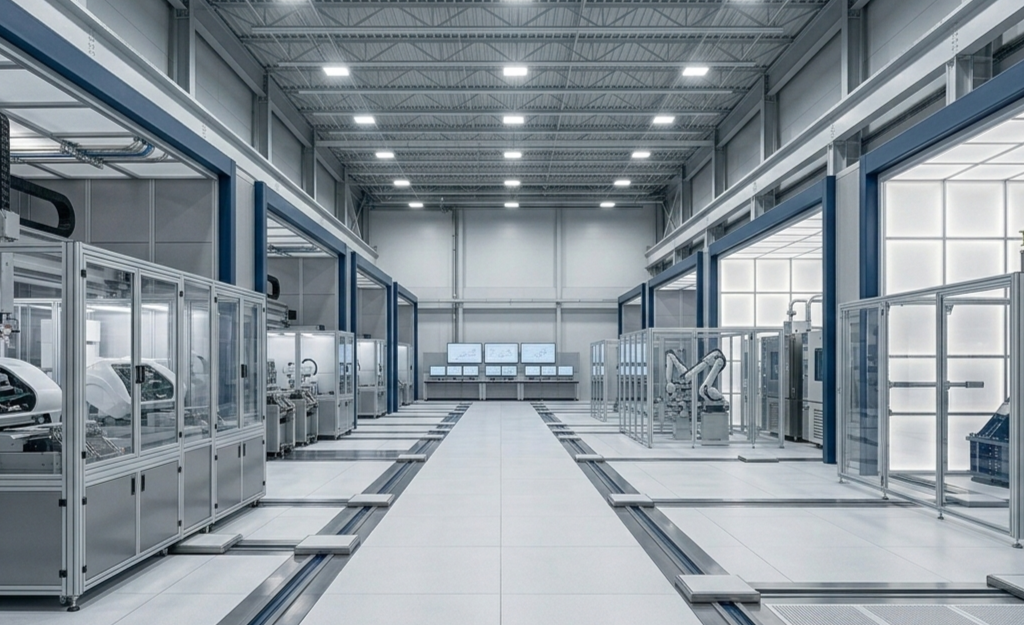
100,000 sq. ft. lab space and 30 Scrum rooms supporting Agile delivery